Accident News Currently Unavailable
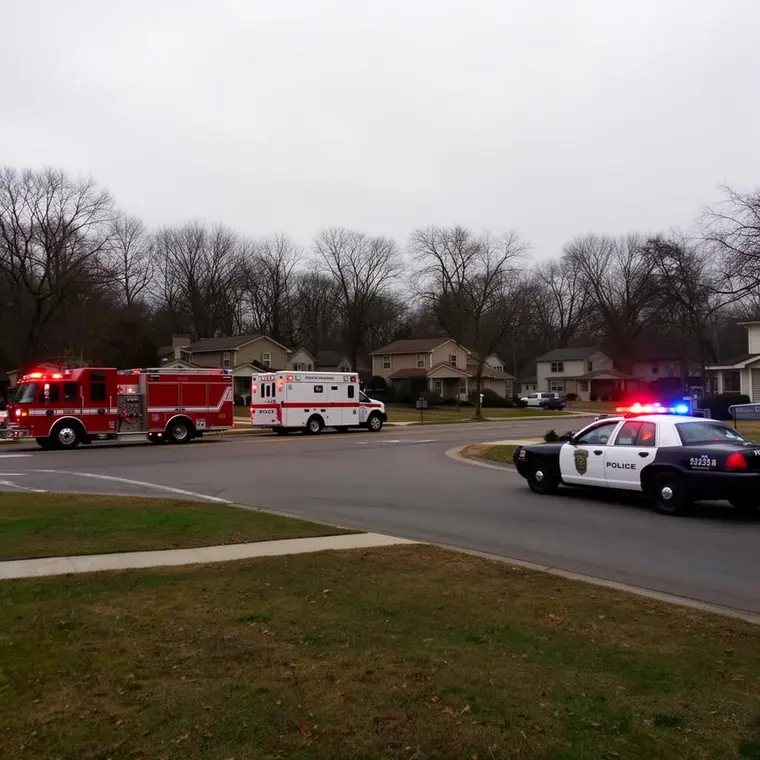
Information regarding this incident could not be verified at this time.
Information regarding this incident could not be verified .
What caused the crash?
Determining liability in crashes requires examining driver logs, maintenance records, and safety policies.
Candice Bond, Managing Partner at Bond Legal, stated, "It is imperative to come to a determination of the exact cause of these types of accidents. An attorney has the resources to review applicable insurance coverage, hire expert witnesses, run background checks, and locate witnesses. We carefully guide the family of the victim through the process."
According to the Alabama Department of Transportation, the state recorded approximately 140,000 total crashes in 2024.
How do regulations impact the investigation?
Companies often deploy rapid response teams to crash sites to protect their corporate interests, sometimes before the injured parties fully understand the extent of their medical needs.
Stefano Formica, of Bond Legal, stated, "An incident is considered a personal injury when either a person or entity commits a wrongful or negligent act resulting in a person's injuries. When vehicle accidents result from unsafe driving, aggressive or distracted driving, speeding, or driving under the influence, victims are usually left with the option to pursue a civil action."
Investigators will likely review hours of service and electronic logging devices to determine if fatigue or mechanical failure played a role in the collision.
Alabama personal injury framework
Alabama follows a contributory negligence (one of only 4 states) system for personal injury claims arising from traffic collisions. Under this framework, injured parties may pursue compensation for medical expenses, lost wages, pain and suffering, and other documented losses. The statute of limitations for personal injury claims in Alabama is 2 years from the date of the crash.
Damages in Alabama personal injury cases typically fall into two categories: economic damages, which cover quantifiable losses such as hospital bills, rehabilitation costs, and income disruption, and non-economic damages, which address pain, suffering, and diminished quality of life. Alabama courts evaluate the totality of circumstances when assessing fault allocation.