Darlene Ibarra Killed in San Antonio Uber Accident
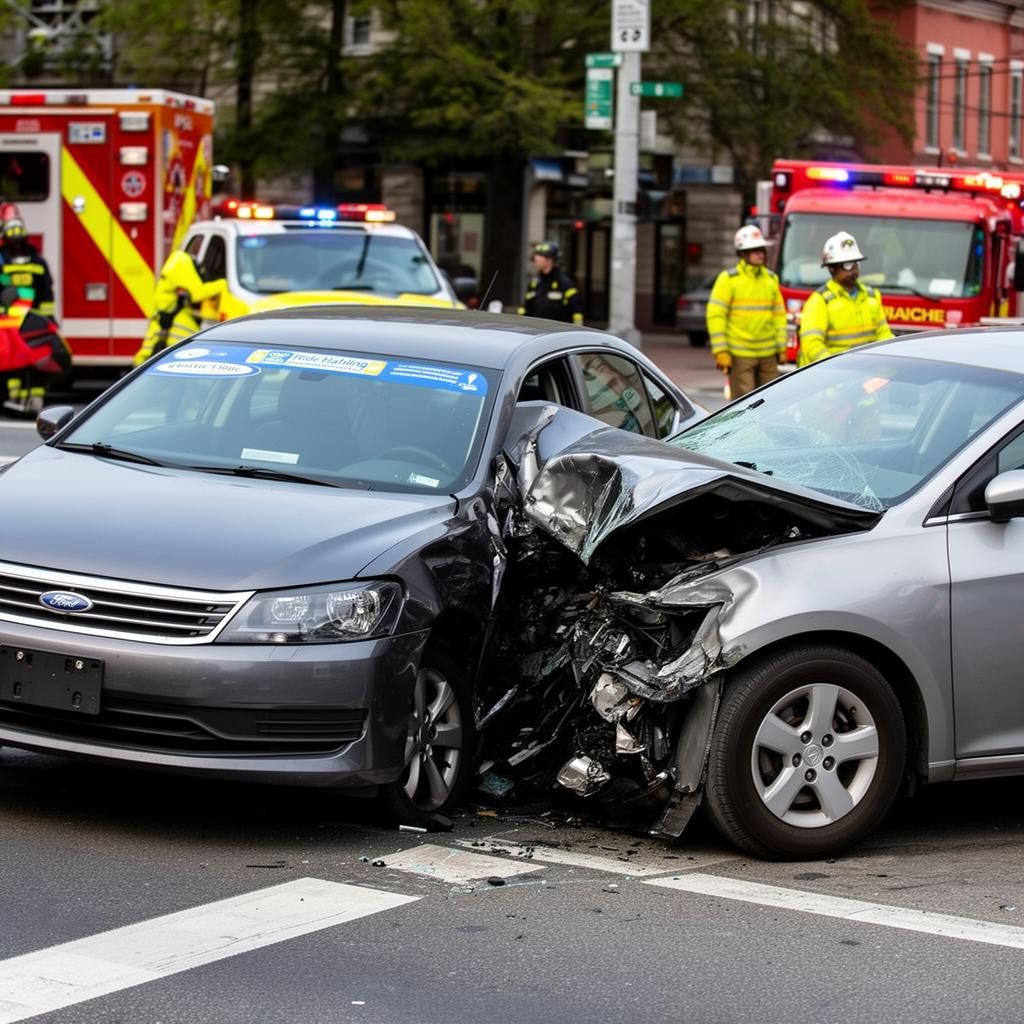
Uber driver accidentally accelerates striking 35-year-old worker at intersection
Darlene Ibarra, 35, was killed March 14, 2026, when a rideshare vehicle hit her in San Antonio, Texas, police said. The crash happened at the corner of West Quill Drive and Bandera Road, according to the San Antonio Police Department.
The rideshare driver was turning from West Quill Drive onto Bandera Road when the vehicle surged forward, police said. The driver mistakenly pressed the accelerator instead of the brake.
The car hit Ibarra, who was standing at the corner with an advertisement sign. She was pronounced dead by EMS at the scene.
A passenger was in the rideshare vehicle at the time of the crash, police said.
Police said there are no criminal elements to this case. The incident remains under investigation.
The San Antonio Police Department responded to the scene at approximately 1:09 p.m. to secure the intersection and begin their investigation. According to the San Antonio Police Department, the rideshare driver was traveling on West Quill Drive with a passenger present in the vehicle at the time of the collision. While there were no immediate criminal charges filed, authorities are reviewing the circumstances of the pedal misapplication, and police have stated that no charges are expected. The intersection of West Quill Drive and Bandera Road remained restricted for several hours as emergency responders and investigators processed the scene. No injuries were reported for the driver or the rideshare passenger.
National Legal Analyst Candice Bond, Managing Partner at Bond Legal, noted that "I've seen families blindsided by how quickly a simple commute turns into a heartbeat of loss. It's devastating that left-turn crashes account for over twenty percent of all fatal intersection accidents."
Texas Wrongful Death and Survival Statutes
In Texas, families who have lost a loved one due to another party's negligence may be able to pursue a wrongful death claim under Chapter 71 of the Texas Civil Practice and Remedies Code. This statute allows designated beneficiaries, typically the surviving spouse, children, and parents of the deceased, to seek compensation for damages such as loss of companionship, mental anguish, and loss of financial support the deceased would have provided. Additionally, a survival action, also permitted under Texas law, allows the deceased's estate to recover damages the deceased would have been entitled to had they lived, including medical expenses incurred before death and conscious pain and suffering.
Commercial Carrier Liability and FMCSA Regulations
This incident involved a commercial vehicle operating as part of a rideshare service, which introduces additional layers of regulatory oversight and potential liability. Commercial carriers, including rideshare companies, are subject to regulations enforced by the Federal Motor Carrier Safety Administration (FMCSA). These regulations cover aspects such as driver qualifications, vehicle maintenance, and insurance requirements. Rideshare companies often carry multi-tiered insurance policies, with coverage limits varying based on the driver's status at the time of the incident (e.g., logged in and awaiting a ride, en route to pick up a passenger, or actively transporting a passenger). Investigating these policies is a critical step in determining the full scope of available compensation.
Statute of Limitations Under Texas Law
Under Texas Civil Practice and Remedies Code § 16.003, wrongful death and personal injury claims generally have a two-year statute of limitations from the date of the incident. This means that a lawsuit must typically be filed within two years of the date of death or injury. Failure to file a claim within this period may result in the forfeiture of the right to pursue compensation. There are limited exceptions to this rule, which may extend the filing deadline under specific circumstances.