Dwayne Lamont White Arrested in Miami Hit-and-Run Accident
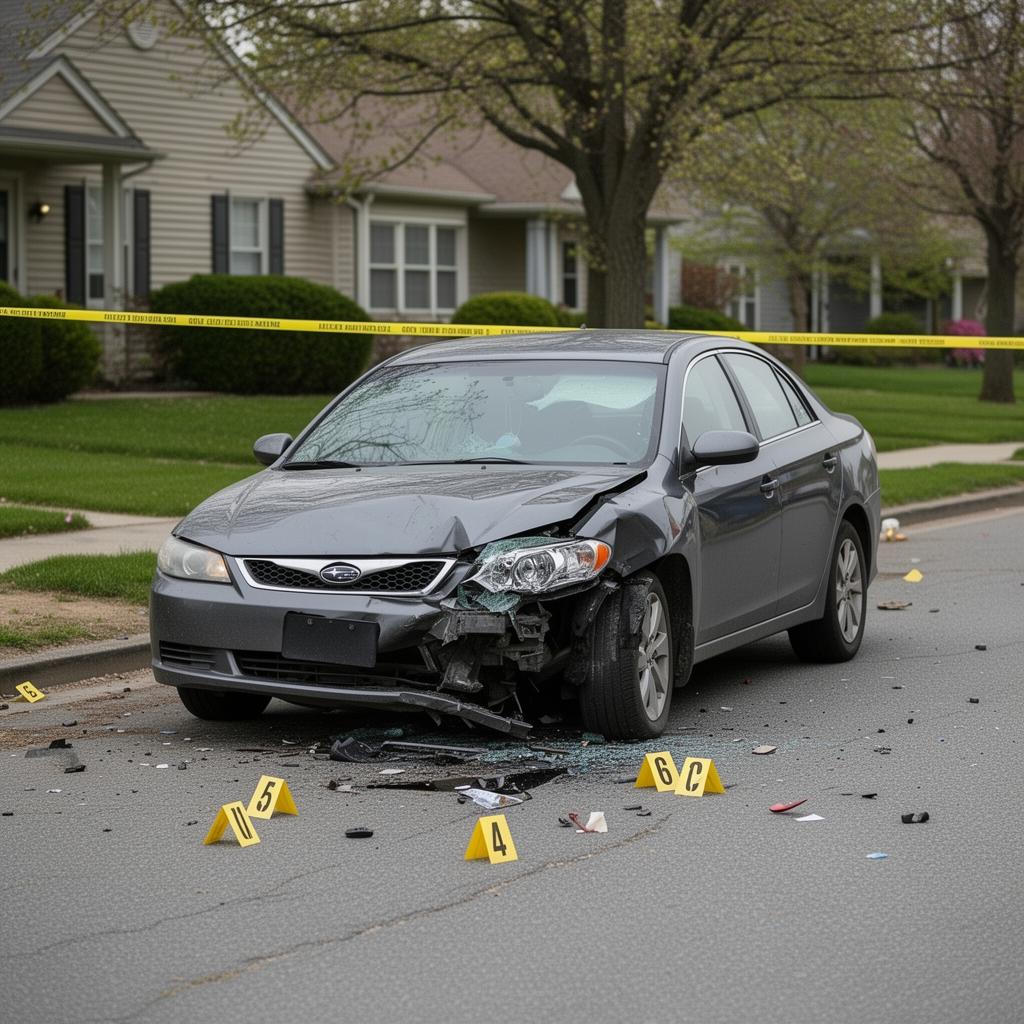
Miami-Dade Sheriff's Office investigates incident that left cyclist critically injured
Dwayne Lamont White, 43, was arrested after he struck a cyclist and fled the scene near the 2600 block of Southwest 139th Avenue in Miami on April 5, authorities said. Miami-Dade Sheriff’s Office deputies found the victim on the swale in front of a residence, bleeding from the mouth and appearing to be in significant pain. Miami-Dade Fire Rescue personnel evaluated the victim as a trauma patient before they were airlifted to Jackson South Medical Center in critical condition. Authorities later located White's vehicle, an older model beige Nissan Altima, covered with a blanket at a nearby residence. White was charged with attempted premeditated murder and leaving the scene of a crash with serious bodily injuries. According to the arrest report, White told investigators the cyclist threw a brick at his windshield, damaging the car, before he intentionally ran into the victim and their bicycle. The impact caused the cyclist to fall onto the swale while the bicycle was dragged along the road. The crash remains under investigation.
What are the immediate steps after a hit-and-run?
Florida's comparative fault system and damage recovery
Florida operates under a modified comparative fault system, which was updated in 2023. Under this framework, an injured party can recover damages only if their own fault in causing the crash is 50% or less. If a claimant is found to be 51% or more at fault, they are barred from recovering any damages. For cases where the claimant's fault is 50% or less, their recoverable damages are reduced proportionally to their percentage of fault. This system allows injured parties to seek compensation for both economic losses, such as medical expenses and lost wages, and non-economic losses, including pain and suffering.
Statute of limitations and insurance requirements in Florida
The statute of limitations for personal injury claims in Florida was reduced from four years to two years in 2023. This means that injured individuals generally have two years from the date of the crash to file a lawsuit. Additionally, Florida is a no-fault insurance state, requiring drivers to carry Personal Injury Protection (PIP) coverage. This insurance typically covers initial medical expenses up to $10,000, regardless of who was at fault for the collision. Bond noted that understanding one's own insurance policy limits is an important aspect of navigating the legal process after a crash.