Lizeth Duran Martinez Killed in Coachella Car Accident
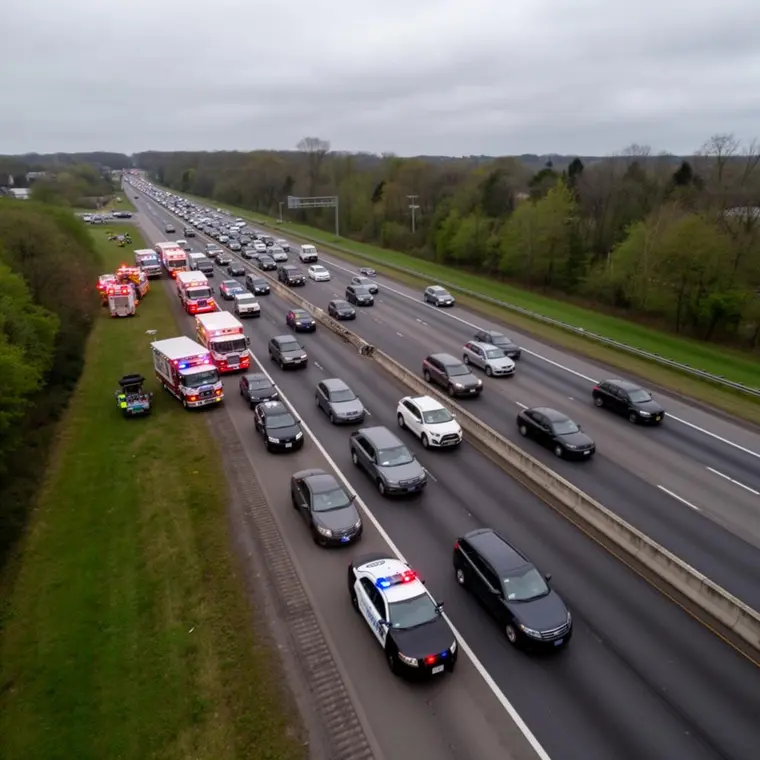
Wrong-way collision on Interstate 10 near Dillon Road claims three lives
Lizeth Duran Martinez, 39, of Phoenix, was killed in a wrong-way car accident on Interstate 10 near Dillon Road in Coachella on April 14, according to the California Highway Patrol.
At approximately 10 p.m., a westbound Toyota Camry entered the eastbound lanes of the freeway and collided head-on with a Honda Accord in the fast lane. Martinez and a 39-year-old man in the Honda were trapped in the wreckage. Riverside County Fire Department personnel extricated the occupants, who were pronounced dead at the scene.
The 71-year-old driver of the Toyota also died in the collision.
Investigators have not determined why the vehicle was driving in the wrong direction.
Alcohol and drugs are not suspected as factors in the crash, the CHP said. An autopsy is pending for the wrong-way driver. Authorities are asking anyone with information about the collision to contact the Indio CHP office.
The head-on collision on Interstate 10 near Dillon Road, involving a wrong-way driver, presents a complex scenario for investigators. The California Highway Patrol (CHP) is working to determine why a Toyota Camry entered the eastbound lanes while traveling westbound, leading to the fatal impact with a Honda Accord.
National Legal Analyst Candice Bond, Managing Partner at Bond Legal. "In addition to the diligent work of police, an attorney will carefully review what may have contributed to the crash," Bond said. "Your lawyer has the resources to hire expert witnesses, conduct driver background checks, locate witnesses to the crash, and review applicable insurance coverage."
The investigation will likely focus on factors such as driver impairment, vehicle malfunction, or environmental conditions that could have led to the wrong-way entry onto the freeway. While the CHP has stated that alcohol and drugs are not suspected, an autopsy for the wrong-way driver is pending, which could provide additional information.
National Legal Analyst Stefano Formica, Of Counsel at Bond Legal. "Insurance companies often try to pressure victims to settle for a quick payout for far less than the case is worth," Formica said. "However, an attorney will vigorously advocate for their client to ensure that they are treated with respect and compensated fairly."
What is the process for investigating a wrong-way crash?
When a wrong-way crash occurs, investigators typically examine several areas. This includes reviewing traffic camera footage, interviewing witnesses, analyzing vehicle damage, and inspecting the road for signs, markings, or construction that might have contributed to the driver's confusion. The condition of the vehicles involved, including any potential mechanical failures, is also assessed.
How do investigators determine the cause of a head-on collision?
Determining the cause of a head-on collision involves a detailed reconstruction of the event. This often includes analyzing skid marks, debris fields, and the final resting positions of the vehicles. Data from event data recorders (EDRs), if available in the vehicles, can provide information about speed, braking, and other vehicle parameters in the moments leading up to the crash. The CHP will also consider driver behavior, road conditions, and visibility at the time of the crash.
What role does an autopsy play in a fatal crash investigation?
An autopsy in a fatal crash, particularly for a driver, can provide important information about the driver's physical state at the time of the crash. This can include toxicology reports to confirm or rule out the presence of drugs or alcohol, as well as identifying any medical conditions that might have contributed to the crash. In this case, an autopsy for the wrong-way driver is pending, which could offer further insights into why the vehicle was driving in the wrong direction.
California wrongful death statute
Under Cal. Code Civ. Proc. § 377.60, surviving family members may file a wrongful death action. California applies pure comparative fault. The statute of limitations is 2 years from the date of death.
Recoverable damages may include loss of financial support, loss of companionship, funeral expenses, and the decedent's pre-death pain and suffering.