Daniel Lee Hutchins Injured in Asheboro Hit-and-Run Accident
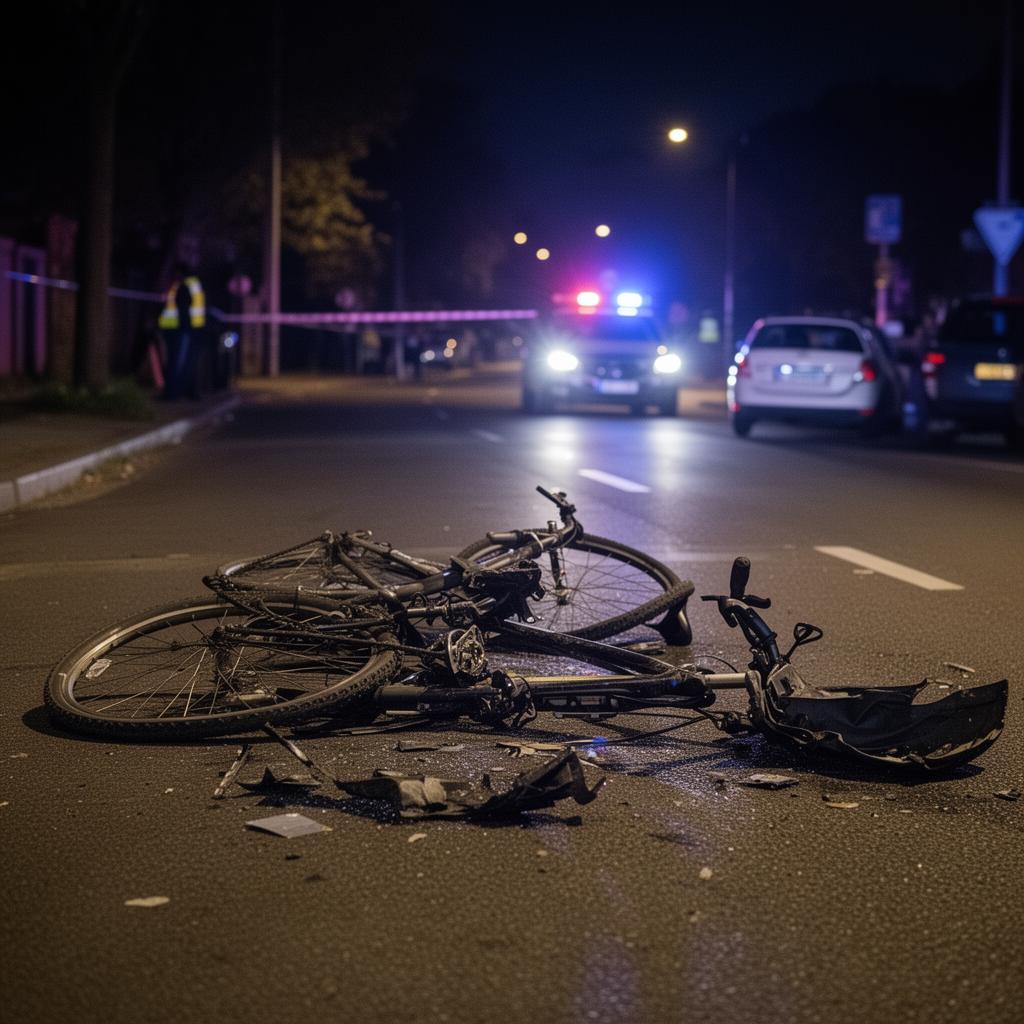
The crash occurred near Vista Parkway at 4:04 AM on Thursday, April 2, 2026.
Daniel Lee Hutchens, 34, of Asheboro, was seriously injured in a hit-and-run crash on U.S. Highway 64 in Randolph County on April 2, 2026. The crash occurred at approximately 4:04 a.m. near Vista Parkway. Daniel Lee Hutchens was struck in the westbound lanes by an unknown westbound vehicle, which left the scene after impact. The pedestrian was taken to Moses H. Cone Memorial Hospital with serious injuries. Based on debris found at the scene, it was unclear what type of vehicle was involved, but investigators believe it may be white with front-end damage. Anyone with information is asked to call \HP (\47).
When a hit-and-run occurs, investigators such as those from the North Carolina State Highway Patrol carefully examine the scene for evidence that can lead to the identification of the fleeing vehicle and driver. This includes collecting vehicle debris, analyzing tire marks, and reviewing any available surveillance footage from nearby businesses or traffic cameras. Witness statements are also important in piecing together the events leading up to the crash and identifying potential suspects. Candice Bond, Managing Partner at Bond Legal, noted that "Road conditions, signage visibility, and road lighting are all possible contributing factors that must be fully considered. These procedures are necessary for helping someone who has lost a loved one at the hands of a hit-and-run driver receive the justice and monetary compensation that they deserve." Authorities are actively asking the public for assistance in locating the driver responsible for striking Daniel Hutchens. Public appeals for information are often vital in hit-and-run cases, as even small details from witnesses can provide critical leads. Investigators will also consult local repair shops for vehicles matching the description of the suspect car, focusing on white vehicles with front-end damage, as indicated by debris found at the scene.
North Carolina personal injury claims
North Carolina law allows individuals injured due to another party's negligence to pursue personal injury claims. These claims seek to recover damages for losses incurred, which may include medical expenses, lost wages, pain and suffering, and other related costs. In cases where the at-fault driver flees the scene, as in a hit-and-run, the injured party may still be able to seek compensation through their own uninsured drivers coverage, if applicable.
Contributory negligence in North Carolina
North Carolina operates under a strict contributory negligence rule. This legal doctrine bars an injured party from recovering any damages if they are found to have contributed in any way to the cause of their own injuries, even minimally. This rule can present a significant hurdle in personal injury cases, particularly those involving pedestrians, where the actions of both the pedestrian and the driver may be scrutinized.
Statute of limitations for injury claims
Under North Carolina General Statutes Section 1-52, a personal injury claim generally must be filed within three years from the date of the injury. Adhering to this statute of limitations is important, as failure to file a lawsuit within the prescribed period typically results in the forfeiture of the right to pursue compensation. Bond noted that identifying the responsible party in a hit-and-run can be challenging, but prompt action can help preserve evidence and improve the chances of a successful claim.