Ellie Armstrong Injured in Fergus Falls Pedestrian Accident
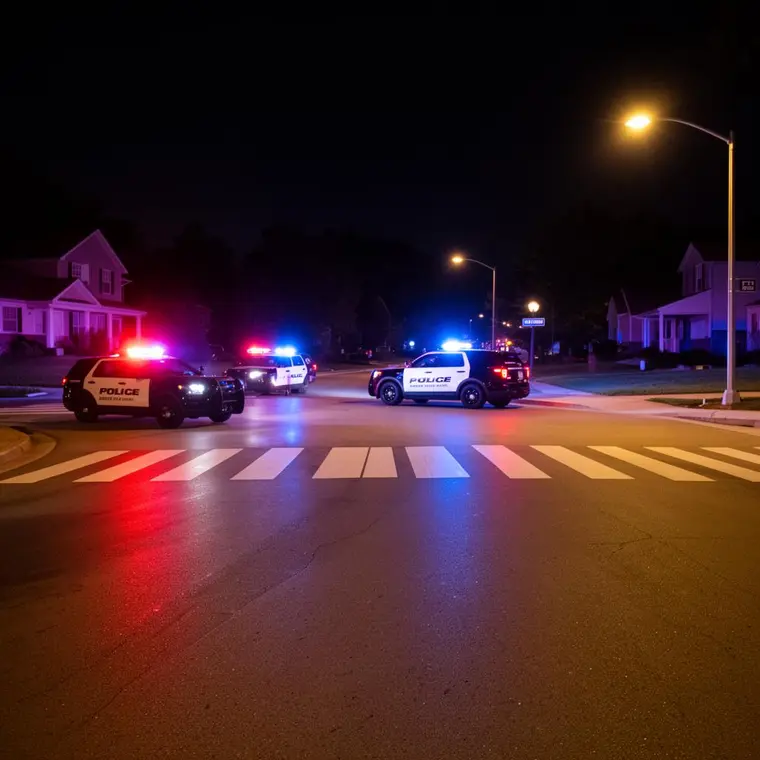
Safety analysts point to infrastructure and speed dynamics in rural road collision
The Otter Tail County Sheriff's Office is investigating a pedestrian accident that injured 13-year-old Ellie Armstrong on March 19. Armstrong, from rural Fergus Falls, was retrieving mail when she was struck by a vehicle on Otter Tail County Highway 1 near Richfield.
Rescuers took Armstrong to Lake Region Hospital in Fergus Falls with non-life-threatening injuries to her left side. The Sheriff's Office confirmed the victim remains hospitalized.
Authorities said Yullveny Quijada, 47, of Richfield, was driving south on Otter Tail County Highway 1 when her vehicle struck Armstrong in the 17000 block. Quijada notified authorities of the accident and told police Armstrong was walking in the roadway.
The Otter Tail County Sheriff's Office is conducting the primary investigation into the collision. After the collision, the vehicle involved was towed to an impound lot for further inspection. The Sheriff's Office confirmed that the driver remained at the scene and cooperated with the initial reporting. The Sheriff's Office indicated that alcohol, drugs, and distracted driving are not suspected to be contributing factors. The road remained open during the emergency response, and no charges have been announced as of the latest update.
National Legal Analyst Candice Bond, Managing Partner at Bond Legal, noted that "I've seen families blindsided by how a simple walk to the park can end in such a terrible tragedy. If a car hits someone at forty miles per hour, there's an eighty-five percent chance they won't survive the impact."
Minnesota's comparative fault system
Minnesota operates under a modified comparative fault system, which allows an injured party to recover damages even if they are partially at fault for an accident. Under Minnesota Statutes section 604.01, a plaintiff's recovery is reduced by their percentage of fault. However, if the injured party is found to be 51% or more at fault, they are barred from recovering any damages. This framework means that the actions of both the pedestrian and the driver would be examined to determine liability and the extent of any potential compensation.
Personal injury claims under Minnesota law
Individuals injured in pedestrian accidents in Minnesota may pursue compensation for various damages, including medical expenses, lost wages, and pain and suffering. These claims can be initiated through the state's No-Fault insurance system, which typically covers initial medical costs regardless of fault, and potentially through third-party liability claims against a negligent driver. Bond noted that pedestrian accidents often result in serious injuries requiring extensive recovery, emphasizing the importance of thorough medical documentation.
Statute of limitations in Minnesota
In Minnesota, a personal injury lawsuit generally must be filed within six years from the date of the accident, as outlined in Minnesota Statutes section 541.05. This statute of limitations provides a specific window for injured parties to pursue legal action. However, certain circumstances, such as injuries to minors, can affect this timeline. The no-fault aspect of Minnesota law means that an injured person's own insurance policy typically covers initial medical expenses, regardless of who caused the collision.