James Thomas Arrested in Whitney Pedestrian Accident
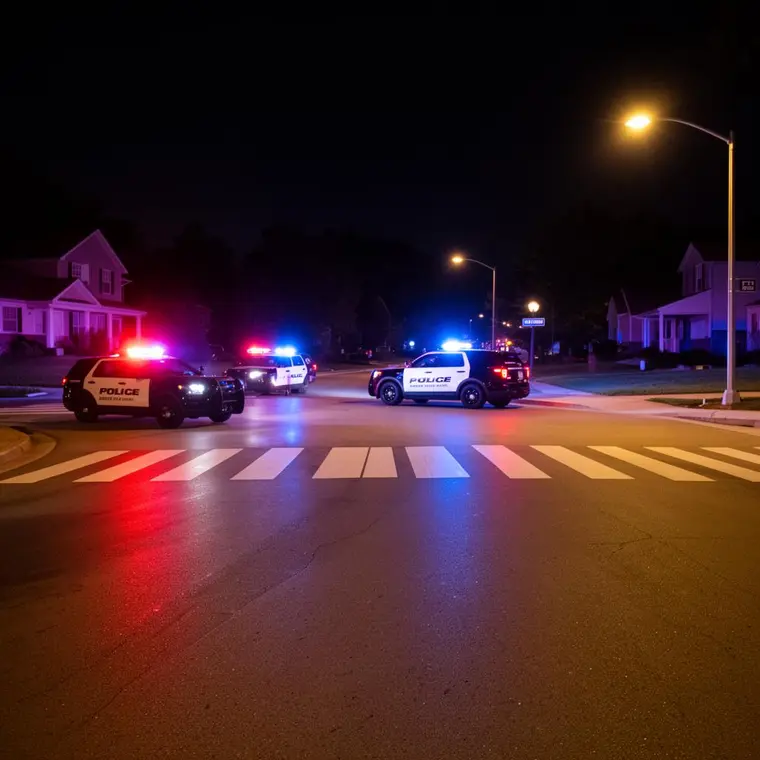
Female pedestrian killed on Farm Road 2604; driver charged with intoxication manslaughter
James Thomas, 56, of Hillsboro, was arrested on charges of intoxication manslaughter after a female pedestrian was struck and killed near Whitney on March 31, according to the Department of Public Safety. Thomas was booked into the Hill County Jail following the crash.
Texas Department of Public Safety Sergeant Ryan Howard reported that Thomas, driving a westbound Jeep SUV, drove onto the road's shoulder. The vehicle then struck the pedestrian. She was pronounced deceased at the scene.
DPS troopers and local first responders were dispatched to Farm Road 2604 near Farm Road 933 just after 11 a.m.
Authorities have not yet released the victim's name, pending notification of her next of kin. The investigation into the accident remains active and ongoing.
The tragic loss of a life in a pedestrian accident, especially one involving alleged intoxication, leaves families searching for answers and accountability. Candice Bond, Managing Partner at Bond Legal, noted that "Road conditions, signage visibility, and road lighting are all possible contributing factors that are considered and must thoroughly be examined. These procedures are necessary for helping those who have lost a loved one receive the justice and monetary compensation that they deserve."
What do investigators look for in a pedestrian collision on Farm Road 2604?
Investigators examining the scene on Farm Road 2604 will carefully analyze evidence such as skid marks, vehicle damage, and witness statements. They will also review the toxicology reports for Thomas to confirm impairment levels. Data suggests that speed differential, rather than absolute speed, is a strong predictor of survivability in pedestrian collisions. Road design, lighting, and pedestrian visibility also contribute to the overall safety assessment. This information will be important in determining liability.
How common are pedestrian accidents involving intoxication in Texas?
Pedestrian accidents remain a significant concern in Texas, and those involving impaired drivers often carry severe consequences. According to official data, a substantial percentage of traffic deaths nationwide involve alcohol as a cause. The National Highway Traffic Safety Administration (NHTSA) reports that alcohol-impaired driving deaths remain a persistent issue, leading to thousands of deaths each year across the country. In such incidents, a thorough investigation is essential to understand all causes, including driver behavior and environmental conditions. Stefano Formica, Of Counsel at Bond Legal, observed that "A thorough investigation is essential to understand all factors, including driver behavior and environmental conditions."
What are the legal options for families after an intoxication manslaughter arrest?
An arrest for intoxication manslaughter initiates a criminal case, but it does not preclude the family of the victim from pursuing a civil lawsuit. Such a lawsuit can seek compensation for losses, including funeral expenses, medical bills, and pain and suffering. The civil court process operates separately from the criminal proceedings, with different burdens of proof and potential outcomes. An attorney can help the family understand these distinct legal avenues and work to protect their rights throughout both processes.
Texas wrongful death statute
Under Tex. Civ. Prac. & Rem. Code § 71.001, surviving family members may file a wrongful death action. Texas applies modified comparative fault (51% bar). The statute of limitations is 2 years.
Recoverable damages may include loss of financial support, loss of companionship and consortium, funeral expenses, and mental anguish.