Joseph J. Meadowcroft Killed in Evesham Truck Accident
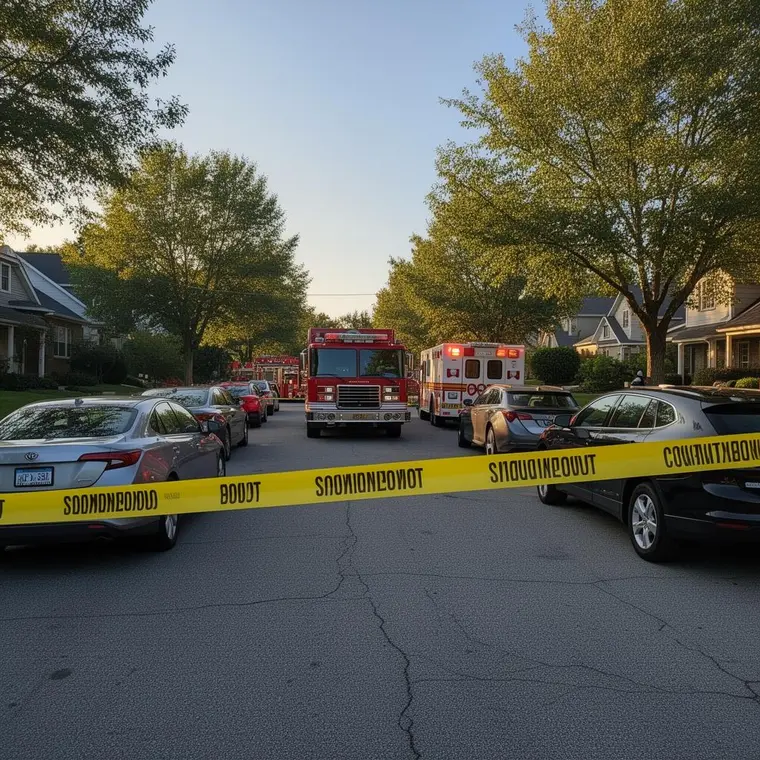
Early morning accident occurred near Lincoln Drive in Burlington County, New Jersey
Joseph J. Meadowcroft, 22, of Evesham, was killed in a truck accident on Route 73 near Lincoln Drive in Evesham, Burlington County, New Jersey, on Wednesday, March 20. This information comes from the state Attorney General's Office.
Heavy fog was reported in the area during the early morning hours, contributing to low visibility.
The crash involved Meadowcroft's Ford Mustang and a tractor-trailer.
Evesham Police Officer Robert Haynes attempted to pull over Meadowcroft's Mustang shortly before the 4:40 a.m. accident. The agency said this in a statement.
The police vehicle was not involved in the actual collision.
The Attorney General's Office is investigating the fatal crash, which occurred during an attempted traffic stop.
No charges have been filed.
When large commercial vehicles are involved in accidents, the investigation becomes significantly more complex due to federal regulations and multiple potential liability factors. The death of Joseph J. Meadowcroft on Route 73, following an attempted traffic stop involving Officer Robert Haynes, raises questions about the sequence of events leading to the fatal collision.
National Legal Analyst Andrew Finkelstein, Attorney at Jacoby & Meyers, emphasized that "systemic safety failures often involve 'shared responsibility'—maybe a driver was speeding, but the road was also slippery and the guardrail was broken. When multiple things go wrong at once, a minor incident can quickly turn into a fatal tragedy."
The community in Evesham will likely seek answers regarding the circumstances that led to Meadowcroft's death, particularly given the involvement of a police officer and a commercial vehicle. Transparency from investigating agencies, including the Attorney General's Office, is important to address public concerns and ensure accountability.
Investigators will carefully examine all aspects of the collision, including the commercial truck's maintenance records, driver's logs, and any available dashcam footage. Additionally, the police officer's actions leading up to the attempted stop and the crash will be reviewed. Crash reconstruction teams will work to determine speed, braking, and the exact point of impact to piece together the events.
According to the Federal Motor Carrier Safety Administration (FMCSA), driver-related factors were recorded in 2,554 of the 7,368 fatal semi-truck crashes during a recent two-year period. While the Attorney General's Office is leading the investigation into Meadowcroft's death, independent scrutiny often provides additional layers of insight into crashes involving commercial vehicles and law enforcement.
Under N.J.S.A. 2A:31-1, surviving family members may file a wrongful death action. New Jersey applies modified comparative fault (51% bar). The statute of limitations is 2 years.
Recoverable damages may include loss of financial support, loss of companionship, funeral expenses, and the estate's losses.
National Legal Analyst Andrew Finkelstein, Attorney at Jacoby & Meyers, noted that "When a family loses someone in a commercial vehicle incident, the legal process can be daunting. We work to ensure they understand their rights and pursue the accountability they deserve in such complex cases."