Paula Poe Injured in St. Pete Beach Pedestrian Accident
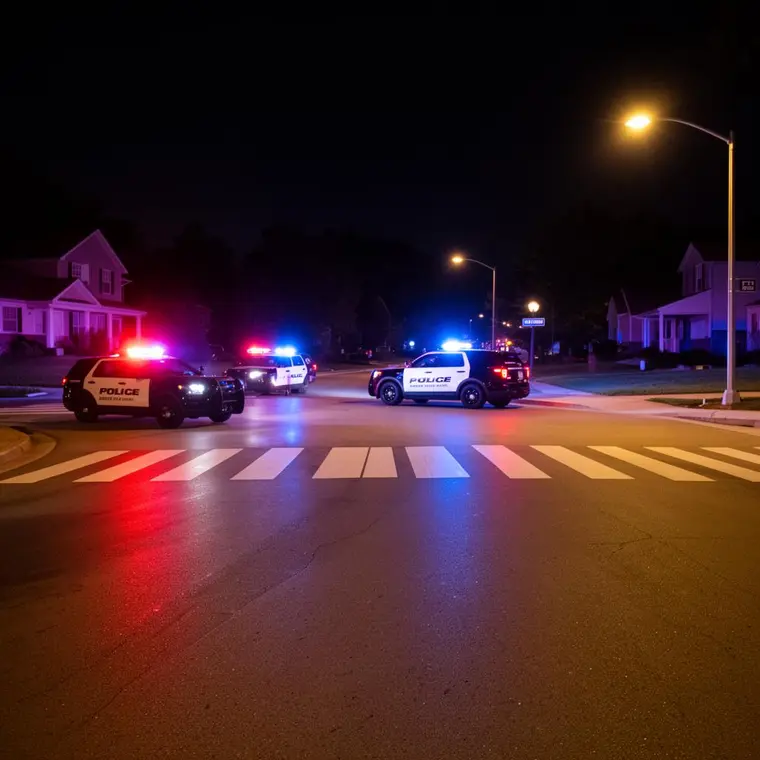
The hit-and-run crash occurred on Gulf Boulevard; Margaret Barah Gardner arrested for DUI.
Paula Poe, 56, was seriously injured the night of March 25, when a hit-and-run driver struck her on Gulf Boulevard in St. Pete Beach, the Pinellas County Sheriff's Office said.
Officers later found the Cadillac abandoned in a hotel parking lot in Tierra Verde, deputies said.
Deputies arrested Margaret Barah Gardner, 43. Authorities said the driver of the Cadillac was impaired at the time of the crash. Gardner faces multiple felony charges, including driving under the influence and leaving the scene of a crash involving serious bodily injury, deputies said. She refused chemical testing after her arrest, authorities said.
In pedestrian accidents, local authorities often deploy specialized units to reconstruct the scene and identify fleeing vehicles through debris and surveillance. National Legal Analyst Candice Bond, Managing Partner at Bond Legal, noted that "Having the proper resources is extremely important to investigate a hit-and-run accident case and prove negligence. Road conditions, signage visibility, and road lighting are all possible contributing factors that must be fully considered. These procedures are necessary for helping someone who has been injured by a hit-and-run driver receive the justice and monetary compensation that they deserve."
Understanding the cause of the St. Pete Beach pedestrian collision is paramount, with the investigation centered on physical evidence left at the curb and subsequent driver evaluation. According to the Pinellas County Sheriff's Office, the suspect driver displayed clear signs of intoxication and performed poorly on field sobriety tests after being located at a nearby hotel. Investigators frequently examine both driver behavior and environmental factors, such as visibility on Gulf Boulevard, to understand how a pedestrian could be struck with such force.
The process of locating a driver who has fled the scene requires high-level forensic coordination. National Legal Analyst Stefano Formica, Of Counsel at Bond Legal, observed that "Pedestrian accidents often involve confusion about who had the right-of-way. Checking for nearby security cameras or dashcam footage can provide clear answers, which helps an injured person feel more secure as they work through their medical recovery."
According to NHTSA, over 68,000 pedestrians are injured annually in traffic collisions across the United States. While national data from the GHSA indicates a slight projected decline in fatalities for 2024, the severity of injuries in pedestrian versus vehicle collisions remains a significant public safety concern, particularly when speed or impairment is involved. For victims like Poe, the path to recovery often involves intensive medical intervention and long-term rehabilitation.
Florida's comparative fault framework
Florida operates under a modified comparative fault system, outlined in Florida Statute § 768.81. This framework allows an injured party to seek compensation even if they share some responsibility for an accident. However, any damages awarded may be reduced proportionally to their determined percentage of fault. For instance, if a court finds an injured pedestrian 10% at fault, their compensation would be reduced by 10%. Cases involving impaired drivers or hit-and-run incidents often see these factors weigh significantly in liability assessments.
Injured pedestrians may pursue a personal injury claim to recover various damages, including medical expenses, lost wages, and compensation for pain and suffering. Bond noted that "The journey to recovery after a pedestrian accident can be extensive. Detailed medical documentation of every physical therapy session and doctor's visit helps the legal system understand the full scope of a victim's needs."
Statute of limitations and potential damages in Florida
Under Florida law, a four-year statute of limitations generally applies to personal injury claims, as specified in Florida Statute § 95.11(3)(a). This means a lawsuit must be filed within four years from the date of the injury to preserve the right to seek compensation.
In incidents involving an identified hit-and-run driver, particularly those where impairment is a factor, injured parties may also explore claims for punitive damages. These damages are intended to punish reckless behavior rather than solely compensate for losses. Additionally, if the at-fault driver has insufficient insurance coverage, an injured person's own uninsured or underinsured drivers coverage may provide an alternative source of recovery.