Payton Katherine Elaine Wince Injured in Harrison Twp Crash
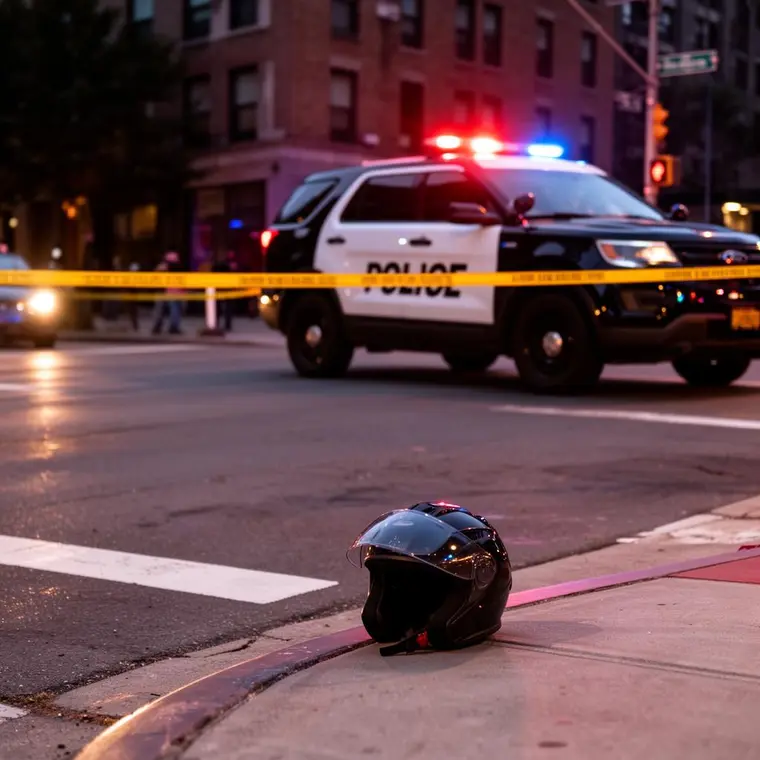
Pickaway County incident involves motorcycle launched 185 feet into the air
Payton Katherine Elaine Wince, 19, of Washington Court House, was injured March 21, when the motorcycle she was riding crashed on U.S. Route 23 in Harrison Township, the Pickaway County Sheriff’s Office said.
The red Kawasaki motorcycle traveled north on U.S. Route 23 near Lockbourne Road when it swerved off the left side of the road into the median, according to deputies. The motorcycle traveled nearly 300 feet through the grass before it hit a culvert. The impact launched the motorcycle about 185 feet through the air before it rolled several times, deputies said.
Wince was a passenger on the motorcycle driven by Chase D. Ryan, 25, of Lancaster. Paramedics treated the victims at the scene. Both were taken to Grant Medical Center, authorities said.
Authorities cited Ryan for several violations, including failure to drive within marked lanes. Investigators also said Ryan was driving without a valid license.
The Pickaway County Sheriff’s Office is investigating the crash. Northbound traffic on U.S. Route 23 was delayed while crews cleared the wreckage from the median.
Developing an understanding of the factors behind high-speed motorcycle collisions is essential for improving roadway safety. While investigators examine the mechanics of this specific incident, legal practitioners emphasize the unique risks inherent to two-wheeled travel.
National Legal Analyst Candice Bond, Managing Partner at Bond Legal, noted that "Motorcyclists are arguably the most vulnerable motorists on the road, and several factors can play a role in fatal crashes,"
The physical aftermath of such incidents often requires long-term specialized treatment. Industry data from the National Highway Traffic Safety Administration (NHTSA) indicates that motorcyclists are roughly 28 times more likely than passenger car occupants to die in a crash per vehicle mile traveled.
National Legal Analyst Stefano Formica, Of Counsel at Bond Legal, observed that "Safety gear like helmets and reinforced jackets are designed to save lives, but they can’t prevent every tragedy when speeds are high. In fatal accidents, we often see that the impact was just too great for the gear to handle. It highlights the need for better driver awareness programs to ensure cars and motorcycles can share the road safely."
When investigating incidents involving excessive speed and roadway departures, crash reconstruction specialists look at skid marks, point of impact, and vehicle flight paths to determine the exact sequence of events. These independent probes are often necessary to clarify liability and ensure all contributing factors, including infrastructure conditions, are identified.
Ohio's modified comparative negligence framework
Ohio operates under a modified comparative negligence rule for personal injury claims. This legal standard permits an injured party to recover damages even if they are found partially at fault for an incident, provided their fault does not exceed 50%. If an injured person's fault is determined to be 50% or less, their recoverable damages will be reduced proportionally to their assigned percentage of fault. If their fault is found to be greater than 50%, they are barred from recovering any damages.
Injured individuals may pursue compensation for various losses, including medical expenses, lost income, and pain and suffering. Bond noted that "Motorcycle insurance policies often have different personal injury protection rules than car insurance. In some states, riders have to buy extra coverage specifically for their own medical care and injuries because standard policies might not cover them the same way."
Statute of limitations for personal injury claims in Ohio
Under Ohio Revised Code Section 2305.10, personal injury claims generally must be filed within two years from the date of the crash. This two-year period is known as the statute of limitations. Failure to file a claim within this timeframe typically results in the forfeiture of the right to pursue legal action. There can be limited exceptions to this rule, but they are uncommon in most motor vehicle accident cases.