Person Critically Injured in Newark Train Accident
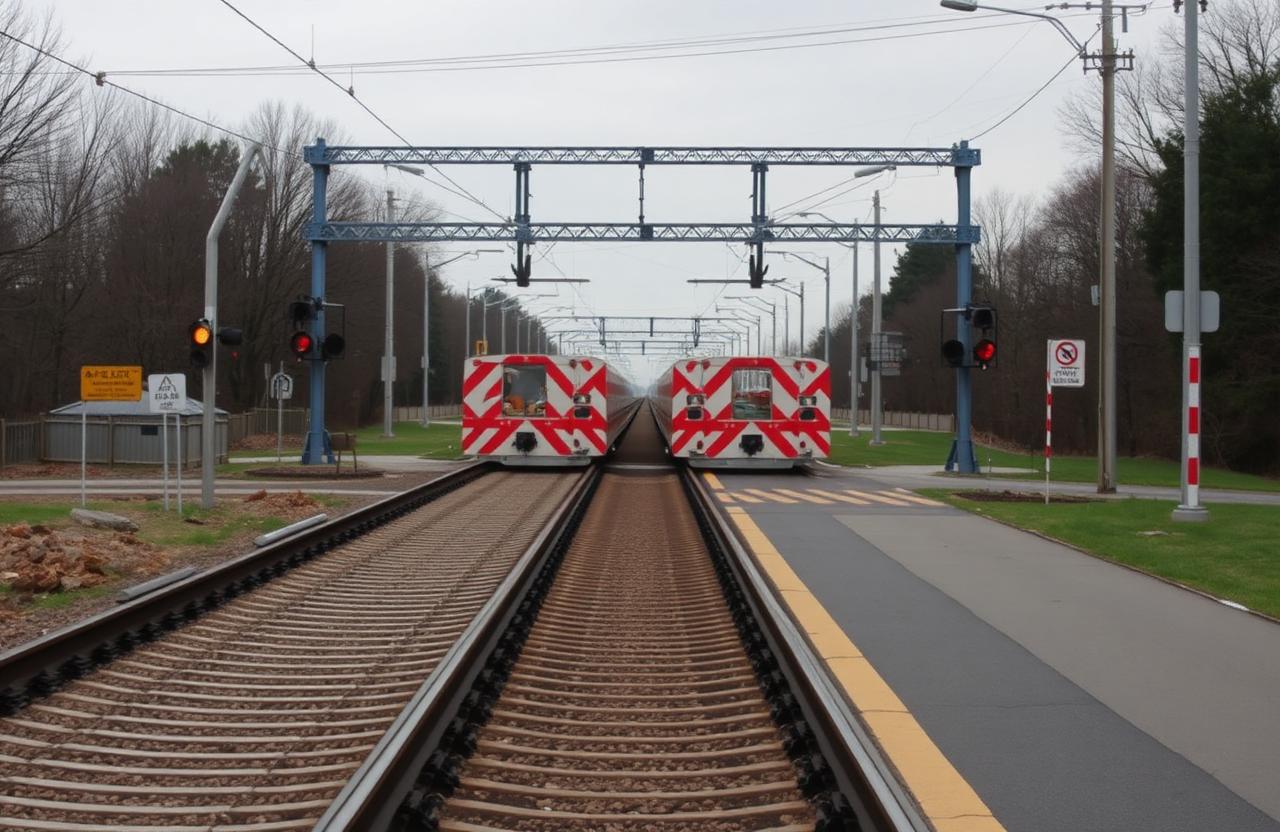
The Wednesday morning incident disrupted service on the Newark-World Trade Center line
A person was critically injured Wednesday after a PATH train struck them in Newark, the driver, authorities said. The crash happened on the Newark-World Trade Center line on April 15.
Port Authority Police and paramedics responded to the scene at 6 a.m. Rescuers pulled the person from the tracks and rushed them to a local hospital in critical condition.
Service on the Newark to Journal Square line was suspended around 7:30 a.m. NJ Transit cross-honored PATH customers during the suspension.
Full service resumed by 8 a.m., and cross-honoring ended an hour later. Police have not released the victim's identity.
How does this impact the Newark commuter community?
The disruption of a major transit artery highlights the broader effects of rail incidents on daily life. While the cause of the incident is being investigated, safety analysts note that urban rail corridors require constant monitoring to prevent unauthorized track access. Andrew Finkelstein, Attorney at Jacoby & Meyers, stated, "Most people don't know that there are over two thousand rail-crossing incidents every year. It isn't just about the train; it's about the road design leading up to those tracks."
In 2025, New Jersey recorded 45 highway-rail grade crossing collisions and 16 injuries, according to preliminary Federal Railroad Administration statistics.
What happens next in the investigation?
Investigators will review transit authority protocols and station security measures. Victims recovering from severe trauma often face extensive medical treatments and long-term rehabilitation. When analyzing train accidents, experts look closely at infrastructure and stopping distances. Finkelstein added, "I’ve seen the devastation at railroad crossings where there weren't any gates or lights. A train going fifty-five miles per hour needs over a mile to stop, so it can’t avoid you."
New Jersey personal injury framework
New Jersey follows a modified comparative fault (51% bar) system. The statute of limitations for personal injury claims is generally two years.
To pursue a liability claim following a rail incident, injured parties often must establish negligence on the part of the operating authority or other responsible entity. Compensation may cover medical expenses, rehabilitation costs, and other related damages.