Thomas Lamond Davis Injured in Greensboro Head-on Accident
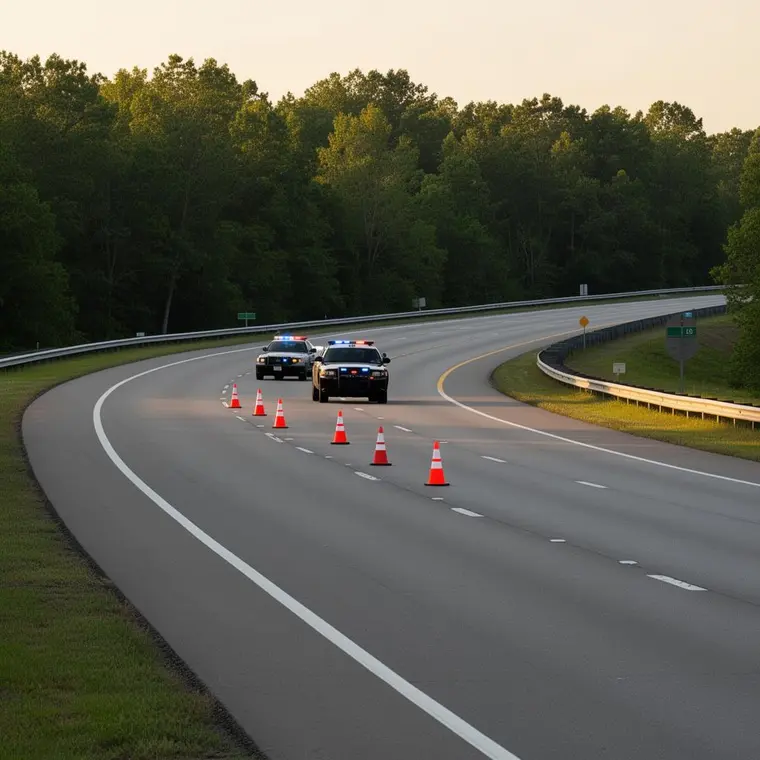
A crash on US-29 near Reedy Fork Parkway resulted in two fatalities and one injury.
Thomas Lamond Davis, of Laurel, Maryland, was severely injured in a head-on collision on US-29 near Reedy Fork Parkway in Greensboro on Saturday night. The North Carolina State Highway Patrol reported two other people died in the crash.
The crash occurred at approximately 8:37 p.m. when a gray Honda Odyssey traveled in the wrong direction on US-29. It struck a black Infiniti SUV head-on.
The driver and a passenger in the Honda Odyssey were pronounced dead at the scene. A post-crash fire destroyed the Honda, and authorities have not yet identified the victims.
Davis was transported to Moses Cone Hospital for treatment. Investigators are working to identify the two people who died.
Troopers are also seeking information from anyone who witnessed the Honda Odyssey traveling the wrong way before the collision. The public can contact the North Carolina State Highway Patrol by dialing *HP (47).
The North Carolina State Highway Patrol is investigating the head-on collision on US-29, which left Thomas Lamond Davis severely injured. Investigators are looking at factors such as wrong-way driving and the post-crash fire. The fatal nature of this crash, combined with the serious injuries to Davis, highlight the need for a thorough examination of all contributing elements.
"Head-on collisions are among the most dangerous types of crashes and often result in catastrophic consequences," said Candice Bond, Managing Partner at Bond Legal. "Even at moderate speeds, the combined forces can be immense, leading to severe injuries or fatalities. Determining the exact cause, such as distraction, impairment, or a medical emergency, is crucial in these investigations."
Investigators careful examine the crash scene for evidence, including skid marks, vehicle debris, and road conditions. They also analyze witness statements regarding the Honda Odyssey traveling the wrong way. Police will reconstruct the accident to establish speed, trajectory, and point of impact. Dashcam footage or nearby surveillance could also provide key insights into what led to the wrong-way maneuver.
In head-on collisions, especially those involving a wrong-way driver, victims and their families often face significant medical costs and emotional distress. It is vital that a full investigation be conducted. This will ensure that all pertinent details are uncovered. This type of detailed review helps establish a clear understanding of fault and liability.
Wrong-way driving incidents, while relatively rare, often result in severe outcomes due to the high-impact nature of head-on collisions. According to the National Transportation Safety Board (NTSB), approximately 360 people are killed each year in the United States due to wrong-way crashes. These incidents frequently occur on limited-access highways and are often linked to impaired driving, driver confusion, or medical conditions. The NTSB notes that countermeasures like improved signage and roadway design can help reduce such occurrences.
North Carolina operates under a pure contributory negligence rule (N.C. Gen. Stat. § 1-139.7). If an injured party is found to be even 1% at fault for an accident, they may be barred from recovering any damages. This strict rule makes securing qualified legal representation critical for victims like Davis.
The statute of limitations for personal injury claims in North Carolina is generally three years from the date of the accident.
Stefano Formica, Of Counsel at Bond Legal, noted that "Understanding the strict contributory negligence laws in North Carolina is crucial for anyone pursuing a personal injury claim, as even minor fault can prevent recovery."
Victims in North Carolina may seek compensation for medical expenses, lost wages, pain and suffering, and other related damages. An attorney can help compile necessary evidence, negotiate with insurance companies, and ensure all legal deadlines are met, especially given the state's stringent fault laws.