Timothy Seth Chavez Arrested in Fresno Fatal Hit-and-Run ...
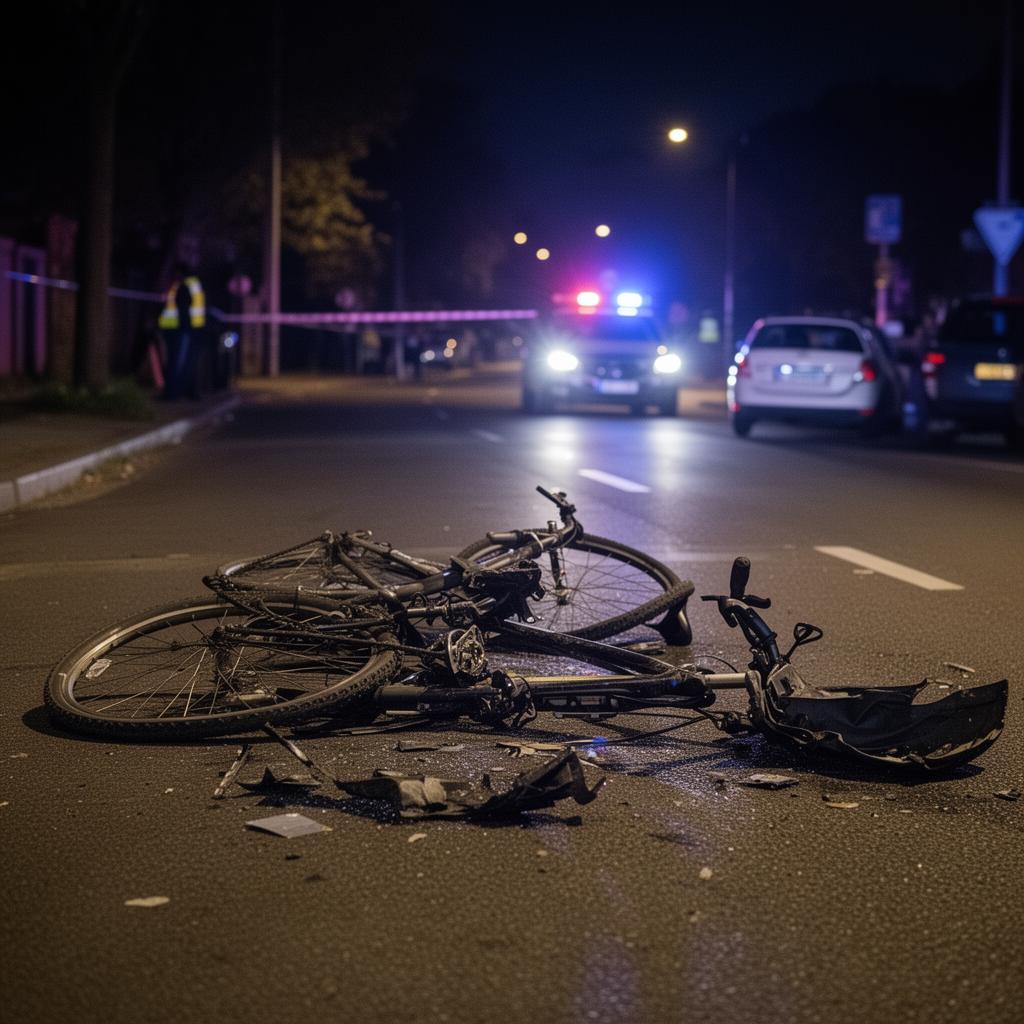
A 22-year-old man faces charges including vehicular manslaughter in the Monday incident.
Timothy Seth Chavez turned himself in late Monday night, nearly 24 hours after a deadly hit-and-run crash in Fresno. The crash killed Martha and Adrian Hernandez on Monday, police said. Potential charges for Chavez include vehicular manslaughter, hit-and-run, and driving with a suspended license and without insurance.
Police believe Chavez ran a red light and smashed into an SUV, sending it into the Dry Creek Canal. Authorities continue to investigate the circumstances surrounding the fatal incident. The Fresno County District Attorney's Office has until Thursday to file formal charges in the case.
The investigation into the deadly hit-and-run in Fresno intensifies as authorities probe the actions of Timothy Seth Chavez. Chavez fled the scene, which complicates efforts to determine if he was impaired. A witness reported Chavez appeared drunk. This situation highlights the critical distinction between criminal and civil liability in hit-and-run cases.
National Legal Analyst Candice Bond, Managing Partner at Bond Legal, noted that "When families are left to pick up the pieces after a crash, the legal avenues for recovery can seem daunting, which is why understanding the specific state statutes for wrongful death claims is paramount to ensuring their rights are protected."
Investigators in hit-and-run cases carefully examine physical evidence from the scene, including vehicle debris, tire marks, and surveillance footage. They also interview witnesses and review traffic camera data to reconstruct the sequence of events and identify the vehicle and driver responsible. In this Fresno crash, the rapid identification and arrest of Chavez after he turned himself in suggests a combination of witness accounts and prompt police work.
When a driver flees an accident, it can be challenging to prove impairment, as the critical window for blood alcohol testing may pass. However, other evidence, such as witness testimony about behavior at the scene or a history of driving infractions, can contribute to the case. National Legal Analyst Stefano Formica, Of Counsel at Bond Legal, explained that "I've seen families paralyzed by the sudden loss of a loved one in a traffic accident."
Timothy Seth Chavez's reported history of six driving infractions could be a significant factor in both the criminal prosecution and any subsequent civil lawsuit. A pattern of negligent driving can demonstrate a disregard for traffic laws and safety, which may influence sentencing in criminal court and the award of punitive damages in a civil claim. This history could also be used to establish a higher degree of culpability.
Under Cal. Code Civ. Proc. § 377.60, surviving family members may file a wrongful death action. California applies pure comparative fault. The statute of limitations is 2 years from the date of death. Recoverable damages may include loss of financial support, loss of companionship, funeral expenses, and the decedent's pre-death pain and suffering.