William Brumley Dies in Napa DUI Accident
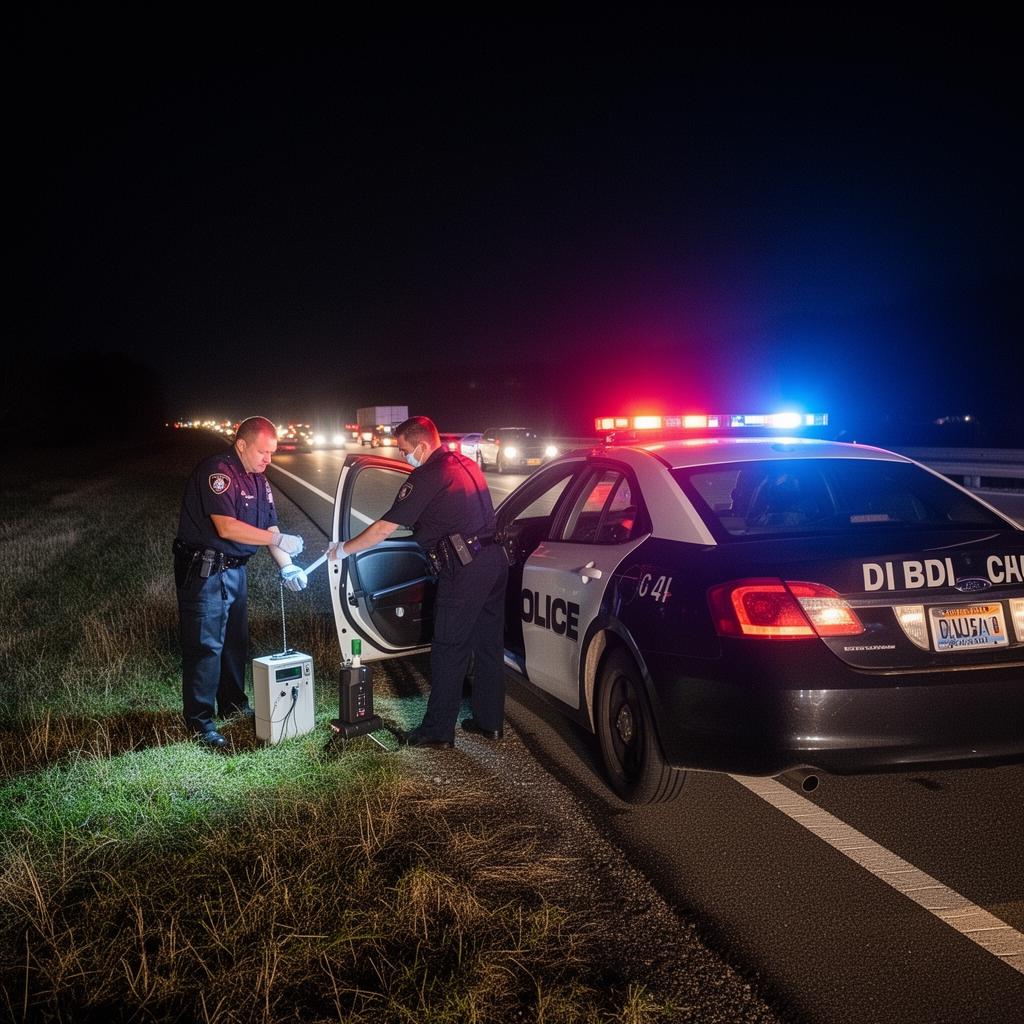
Three-vehicle collision involved a Mitsubishi, BMW, and Toyota on Saturday near Oak Knoll Avenue. The Silverado Trail was closed for several hours.
A 68-year-old Vallejo man was arrested Saturday after a three-car crash on the Silverado Trail near Oak Knoll Avenue in Napa County killed three people and hospitalized four others, the California Highway Patrol said.
A Mitsubishi sedan was driving south around noon when it sideswiped a northbound BMW SUV. The sedan then crashed into a Toyota sedan traveling behind the BMW. The road remained closed for several hours.
One passenger in the Mitsubishi died at the scene. A second passenger from the sedan died at a hospital. A passenger in the Toyota also died at a hospital. Four other people in the Toyota were hospitalized with major injuries. The two people in the BMW complained of pain.
Police identified the driver of the Mitsubishi as William Brumley. Officers arrested the driver at the hospital on suspicion of driving under the influence of a drug. The CHP redirected traffic to Highway 29. The crash remains under investigation.
The collision shows the danger impaired drivers create on roads like the Silverado Trail. Investigators are processing physical evidence from the three-vehicle crash site.
Bond, Managing Partner at Bond Legal, said that "In addition to the diligent work of law enforcement, an attorney can re-interview important witnesses, analyze any surveillance video from the scene of the crash, and obtain phone and texting records of the liable party. Time is of the essence in cases such as this, and the victim’s family must ensure that evidence is reviewed efficiently."
The way the collision happened suggests a sudden loss of lane control, which often occurs in impairment-related incidents.
After a multi-vehicle death, the legal process often includes criminal prosecution and civil liability assessments. Victims of impaired drivers may have grounds for claims beyond the driver's insurance policy, especially if other negligent factors or third-party liabilities contributed to the crash. Preserving evidence from the vehicles' electronic data recorders and getting official toxicology reports are important steps in establishing the sequence of events.
Under California's wrongful death statute (Code Civ. Proc. § 377.60), surviving family members may pursue a civil claim against a party whose negligent or wrongful acts—including driving under the influence of drugs—caused a fatal injury. California follows a pure comparative fault system, which allows for the recovery of damages even if multiple parties share a percentage of responsibility for the collision.
Candice Bond of Bond Legal noted that "In cases where a drunk driver causes a fatal crash, 'dram shop' laws may allow for an investigation into where the driver was served. These rules hold businesses like bars or restaurants accountable if they continued to serve someone who was clearly over the limit."
The legal framework in California allows for the recovery of both economic and non-economic damages, including funeral expenses, loss of future financial support, and the loss of companionship and guidance. While the statute of limitations for most personal injury and wrongful death actions in California is two years from the date of the incident, cases involving government entities or specific criminal proceedings may be subject to different administrative filing deadlines.