Deanna Stemler Killed in Colorado Springs Car Accident
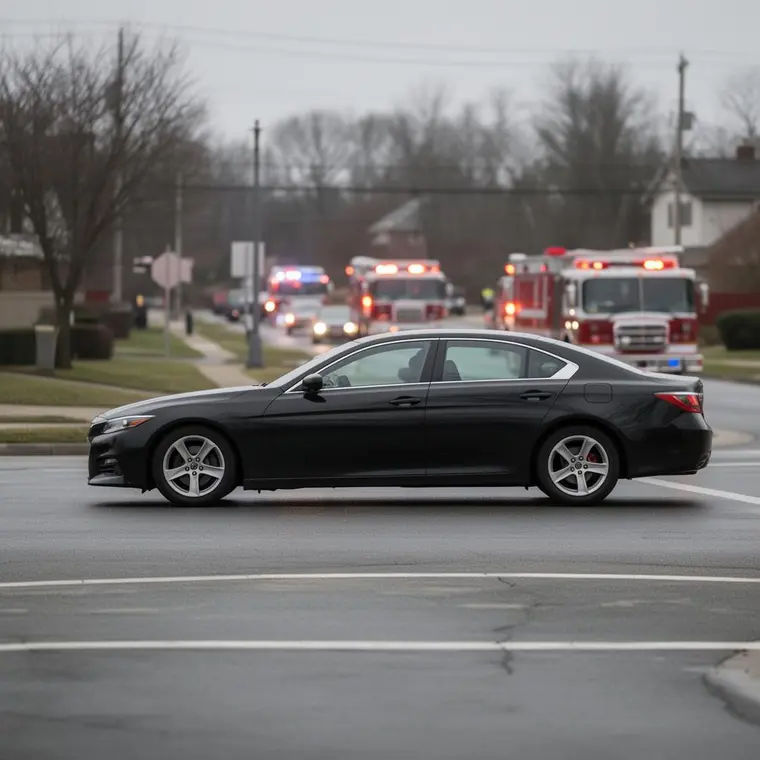
77-year-old identified the day after head-on crash caused by racing vehicles
Deanna Stemler, 77, of Colorado Springs, died in a head-on collision on Briargate Boulevard near Lexington Drive in Colorado Springs, El Paso County, Colorado, on March 22, according to the Colorado Springs Police Department. Stemler was driving a Volkswagen SUV that was hit head-on by another car. The car that struck Stemler crossed into oncoming traffic while involved in a speed contest with a second vehicle, police said. Both drivers were taken to the hospital with serious injuries. Stemler later died at the hospital from her injuries. The Colorado Springs Police Department Major Crash Team is investigating the crash, and speed is considered a factor. Authorities did not say whether charges have been filed. This crash marks the 11th fatal accident in Colorado Springs in 2026, compared to five deaths at the same time in 2025.
The tragic death of Stemler underscores the severe dangers posed by reckless driving, particularly in speed contests. When two vehicles engage in racing on public roads, the consequences for innocent bystanders can be devastating, as demonstrated in this Colorado Springs incident.
What do investigators look for in speed contest crashes?
Investigators in speed contest crashes careful examine all available evidence to determine fault and cause. This includes witness statements, surveillance footage, physical evidence from the scene, and data from vehicle "black boxes." These devices record critical information such as speed, braking, and steering in the moments before a collision. Understanding these details is important for building a full picture of what occurred. The Colorado Springs Police Department Major Crash Team will focus on reconstructing the events leading to the collision, including how the racing vehicle crossed the center line.
National Legal Analyst Candice Bond, Managing Partner at Bond Legal, noted that "When I hear about high-speed collisions, I think about the heavy grief those families carry. A car's black box captures the five seconds before impact, showing if there wasn't even a tap on the brakes."Your lawyer has the resources to hire expert witnesses, conduct driver background checks, locate witnesses to the crash and review applicable insurance coverage. Serving as an advocate, an attorney can help compassionately guide families of victims during their recovery while vigorously protecting the legal rights and best interests,"Nobody thinks about speed differential until they're looking at a crash scene. The difference in speed between two cars is actually the biggest predictor of whether everyone's going to make it home alive."
Colorado wrongful death actions
Under Colorado Revised Statutes (C.R.S.) § 13-21-201, certain surviving family members may pursue a wrongful death claim following a fatal accident. These claims allow eligible parties to seek compensation for losses incurred due to the death of a loved one. The statute of limitations for filing a wrongful death action in Colorado is generally two years from the date of death.
Damages that may be sought in a Colorado wrongful death claim can include economic losses such as funeral and burial expenses, medical expenses incurred prior to death, and the loss of financial support the deceased would have provided. Non-economic damages, such as loss of companionship, comfort, instruction, guidance, and consortium, may also be recoverable. Bond noted that "wrongful death statutes are designed to provide a pathway for justice and financial stability during an unimaginable time."
Comparative fault in Colorado personal injury cases
Colorado operates under a modified comparative fault system, outlined in C.R.S. § 13-21-111. This legal framework dictates how damages are apportioned when multiple parties share responsibility for an accident. Under this system, a claimant may recover damages if their fault is determined to be less than 50%. If the claimant is found to be 50% or more at fault, they are barred from recovering any damages. If the claimant's fault is less than 50%, their recoverable damages are reduced proportionally to their degree of fault.