Fred Giles Injured in Odessa Hit-and-run Accident
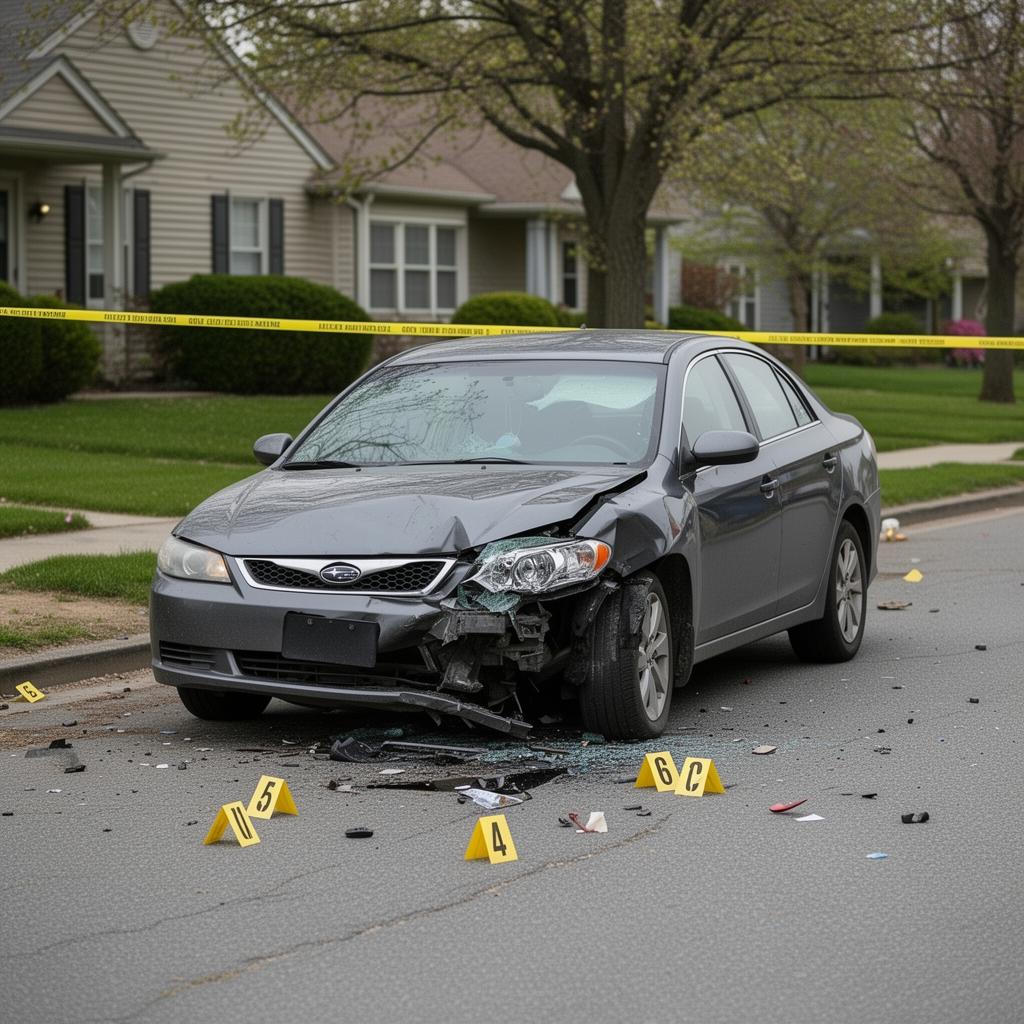
Incident marks 15% national rise in registered hit-and-run collisions
Updated March 24: Fred Giles, 65, was airlifted to a trauma facility in Lubbock, and the investigation remains ongoing.
Giles, 65, of Odessa, suffered serious injuries in a hit-and-run motorcycle crash on Andrews Highway at University Boulevard on Saturday. Police arrested Javier Diaz, 53, charging him with collision involving serious bodily injury and an unrelated warrant for assault causing bodily injury.
A Harley-Davidson motorcycle driven by Giles was traveling north on Andrews Highway when a blue Honda Civic, traveling south, attempted to turn east onto University Boulevard and struck the motorcycle. The driver of the Civic fled the intersection, police said.
Giles was taken to Medical Center Hospital with serious injuries. He was later airlifted to a trauma facility in Lubbock.
Police also arrested 54-year-old Irene Ontiveros in connection with the incident on a charge of making a false report to a peace officer.
The Odessa Police Department arrived at the intersection at approximately 8:49 p.m. following reports of a major collision. Investigations led to the subsequent apprehension of Diaz and a passenger, 54-year-old Irene Ontiveros, who was charged with making a false report to a peace officer. Andrews Highway and University Boulevard were subject to traffic diversions while crash reconstruction teams processed the scene. Diaz now faces charges of collision involving serious bodily injury, in addition to an unrelated warrant for assault causing bodily injury.
National Legal Analyst Candice Bond, Managing Partner at Bond Legal, noted that "What's truly haunting about hit-and-runs is the feeling of being abandoned in a moment of crisis. Most of these drivers are caught within forty-eight hours if there's any physical evidence left behind."
Texas Transportation Code on hit-and-run incidents
Texas law mandates that drivers involved in a collision resulting in injury or death must stop immediately, render aid, and provide identification. This requirement is outlined in the Texas Transportation Code Chapter 550. Failure to remain at the scene of a crash involving serious injury is classified as a third-degree felony, carrying criminal penalties. Bond noted that leaving the scene of an accident can significantly alter how the legal system addresses the responsible driver if apprehended, often viewed as an admission of fault in civil investigations.
Personal injury claims and damages under Texas law
Texas operates under a modified comparative negligence system, which allows for a victim's potential recovery to be adjusted based on their assigned percentage of fault. However, this aspect is less common in cases where one party unlawfully leaves the scene. Injured parties may pursue damages for medical expenses, long-term rehabilitation costs, and pain and suffering. If a defendant is convicted of a hit-and-run, a civil case may also consider exemplary damages, which are intended to penalize egregious conduct.
Statute of limitations for Texas personal injury cases
The statute of limitations for personal injury claims in Texas is generally two years from the date of the crash. This timeframe requires those affected to take timely action to preserve evidence and secure witness accounts relevant to their case.