Gabriel Lawrence Ayers Killed in Amarillo Hit-and-Run
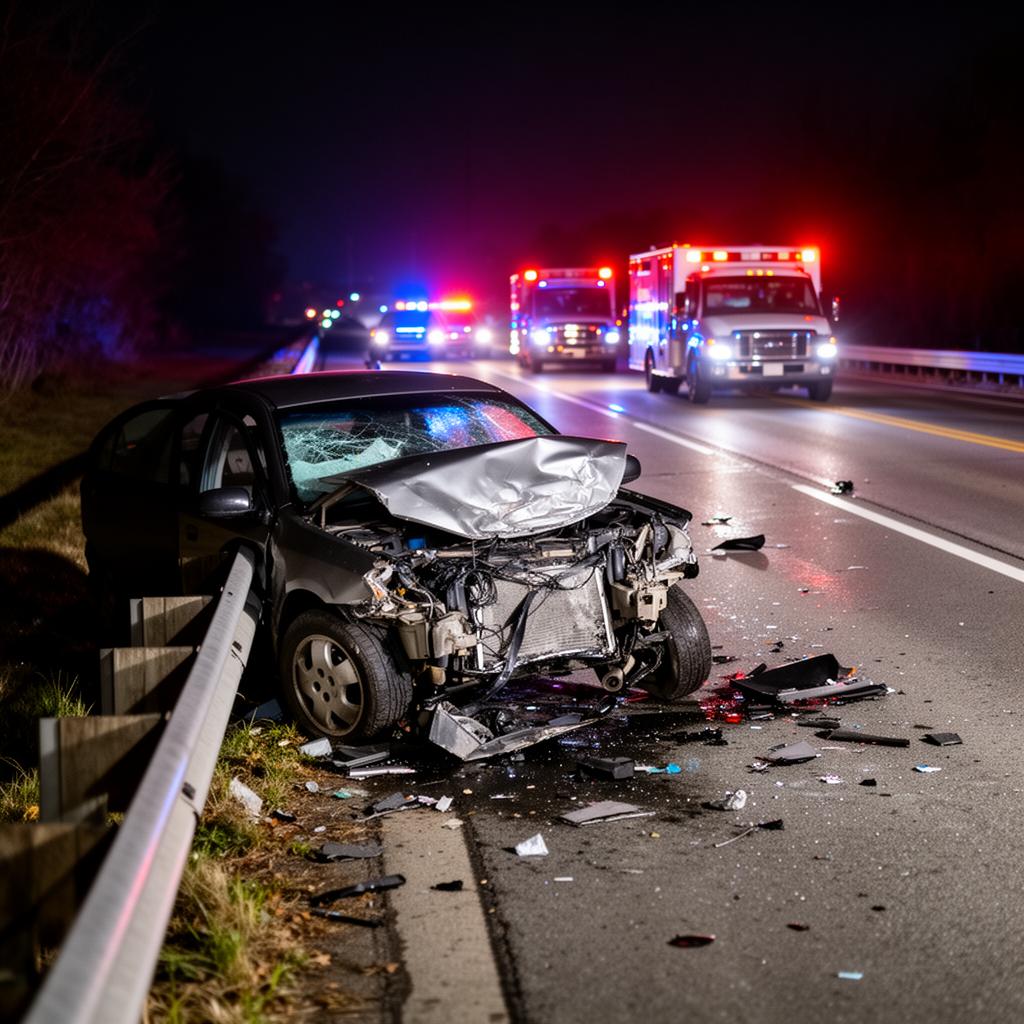
Two back-seat passengers suffered life-threatening injuries after a Nissan Rogue struck their Subaru and the driver fled
Gabriel Lawrence Ayers, 26, and Kaitlyn Wallace, 26, were killed, and two others suffered life-threatening injuries in a crash at Western and Mesa in Amarillo, Texas, early Friday.
According to the Amarillo Police Department, officers arrived to find a blue Nissan Rogue with front-end damage and its driver missing. They also found a blue Subaru Impreza that had sustained extensive driver-side damage.
Ayers, the driver of the Subaru, and Wallace, the front-seat passenger, died at the scene. Two back-seat passengers in the vehicle were transported to a local hospital.
The department's Traffic Investigation Squad is investigating the collision.
Why did the Nissan driver flee the scene at Western and Mesa?
Hit-and-run collisions leave grieving families searching for answers while investigators work to identify the fleeing suspect. In cases where a driver abandons a severely damaged vehicle, authorities typically process the cabin for DNA, fingerprints, and registration documents.
National Legal Analyst Stefano Formica, of Counsel at Bond Legal, noted that "Hit-and-run accident investigations often hinge on physical evidence left behind in the suspect vehicle, allowing reconstructionists and law enforcement to establish identity even when the driver abandons the scene."
According to the AAA Foundation for Traffic Safety, hit-and-run crashes account for more than 5% of all traffic deaths nationwide, with numbers steadily rising over the past decade.
What are the legal options for the surviving passengers and families?
The families of Ayers and Wallace face an overwhelming aftermath along with the critically injured passengers. While police pursue criminal charges against the fleeing driver, civil avenues provide a separate mechanism for accountability.
National Legal Analyst Candice Bond, Managing Partner at Bond Legal, noted that "In fatal hit-and-run collisions, families of the victims can pursue uninsured motorist claims through their own policies while simultaneously seeking accountability from the at-fault driver once apprehended."
Establishing liability in these complex incidents requires preserving the suspect vehicle and securing witness testimony before evidence degrades.
Texas wrongful death and personal injury claims
Under the Texas Wrongful Death Act (Tex. Civ. Prac. & Rem. Code § 71.001 et seq.), surviving spouses, children, and parents of a deceased victim may file a civil lawsuit against the negligent party. The state operates under a modified comparative fault system, meaning victims or their estates can recover damages as long as they are not more than 50% responsible for the crash. In cases involving a fleeing driver, establishing gross negligence can significantly influence the civil proceedings. National Legal Analyst Formica of Bond Legal noted that "Wrongful death claims allow surviving family members to seek restitution for the sudden loss of companionship, future lost wages, and funeral expenses, independent of any criminal charges filed by the state."
For the surviving back-seat passengers, Texas personal injury laws permit the pursuit of compensation for medical bills, ongoing rehabilitation, and pain and suffering. The statute of limitations for both wrongful death and personal injury claims in Texas is generally two years from the date of the crash or the date of death. Prompt legal action ensures that critical evidence, such as the abandoned Nissan Rogue, is preserved for civil litigation.