Jaime Humberto Andrade Killed in El Paso Car Accident
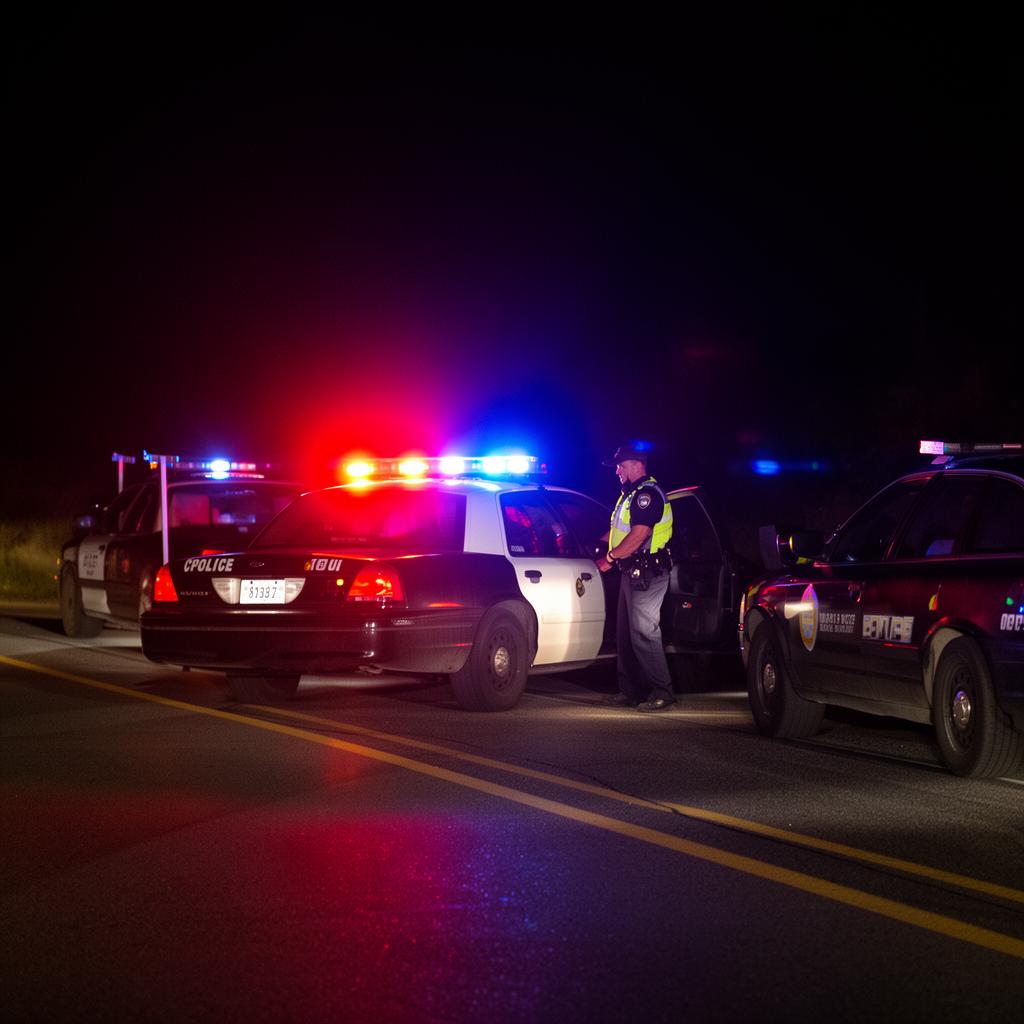
Alcohol suspected as a factor in deadly El Paso West Side collision
Jaime Humberto Andrade, 56, of El Paso, died at a hospital after an accident in West El Paso on April 6, police said. The collision involved a rear-end crash in the 6300 block of North Desert Boulevard near Paseo Del Norte Boulevard and Artcraft Road. Ambar Chavira, 19, of El Paso, was arrested on a charge of collision involving death and booked into the El Paso County Jail. She later posted a $100,000 bond. Alcohol is suspected of being a factor in the crash, which remains under investigation by the Special Traffic Investigations Unit and the DWI Task Force. Andrade was driving a 2026 Subaru Outback when a 2016 BMW 428i, driven by Chavira, struck his vehicle from behind at high speed. The crash followed a separate four-vehicle collision on North Desert Boulevard. The road was opened before 6 a.m. Tuesday, after emergency crews cleared the scene. El Paso has seen 15 traffic-related deaths this year, including two pedestrians killed on Easter Sunday. This compares to 19 deaths at the same time last year.
What factors contribute to high-speed rear-end collisions?
National Legal Analyst Candice Bond, Managing Partner at Bond Legal, noted that "Separate from criminal charges, a victim's family may be entitled to compensation through a civil lawsuit against the responsible party. In addition to the diligent work of law enforcement, an attorney can re-interview important witnesses, analyze any surveillance video from the scene of the crash, and obtain phone and text records of the liable party. Serving as an advocate, an attorney can help compassionately guide a family during this difficult time, protecting their legal rights while ensuring that a drunk driver is held accountable for their reckless actions."
The El Paso Police Department's Special Traffic Investigations Unit and the DWI Task Force are specifically looking into whether alcohol impairment played a role in this crash. According to the National Highway Traffic Safety Administration (NHTSA), speeding was a primary cause of fatal crashes in 2018, and alcohol-impaired driving is consistently a major factor in severe collisions.
What are the legal implications when alcohol is suspected?
National Legal Analyst Stefano Formica, Of Counsel at Bond Legal, observed that "Most people don't know that your car's black box records your every move right before a crash. It's a five-second snapshot that proves exactly when a driver hit the brakes or steered away."
Beyond the immediate criminal proceedings against Chavira, Andrade's family may consider pursuing a civil personal injury or wrongful death claim. These claims typically focus on holding the responsible party accountable for medical expenses, lost income, pain and suffering, and funeral costs. An independent legal investigation can help uncover additional evidence important for building a strong case.
How common are traffic death in El Paso?
Texas wrongful death and survival actions
In Texas, certain family members may pursue a wrongful death claim under the Texas Civil Practice and Remedies Code § 71.001. This statute allows for legal action when a person's death is caused by another party's wrongful act, neglect, unskillfulness, or default. Eligible claimants typically include the deceased's spouse, children, and parents. Separately, a survival action may be filed on behalf of the deceased's estate to recover damages the deceased would have been entitled to had they lived, such as pain and suffering, medical expenses, and lost earnings up to the time of death.
Damages recoverable in a Texas wrongful death claim can include compensation for the loss of companionship and society, mental anguish, loss of inheritance, and loss of financial support that the deceased would have provided. Funeral and burial expenses may also be sought. Bond noted that when driver impairment is a factor, it can introduce additional complexities to a wrongful death claim, potentially leading to both criminal charges and a civil lawsuit.
Comparative fault in Texas personal injury law
Texas operates under a modified comparative fault system, often referred to as the "51% bar rule." Under this framework, a claimant can recover damages only if their percentage of fault for the crash is 50% or less. If a claimant is found to be 51% or more at fault, they are barred from recovering any damages. If found partially at fault but less than 51%, their recoverable damages would be reduced proportionally to their assigned percentage of fault.
Statute of limitations under Texas law
For wrongful death and personal injury claims in Texas, a two-year statute of limitations generally applies. This means that a lawsuit must typically be filed within two years from the date of the deceased's death or the date of the injury. There are limited exceptions to this rule, but failing to file within the prescribed period can result in the forfeiture of the right to pursue a claim.