Maria Patrocinio Longoria Dies in El Paso Pedestrian
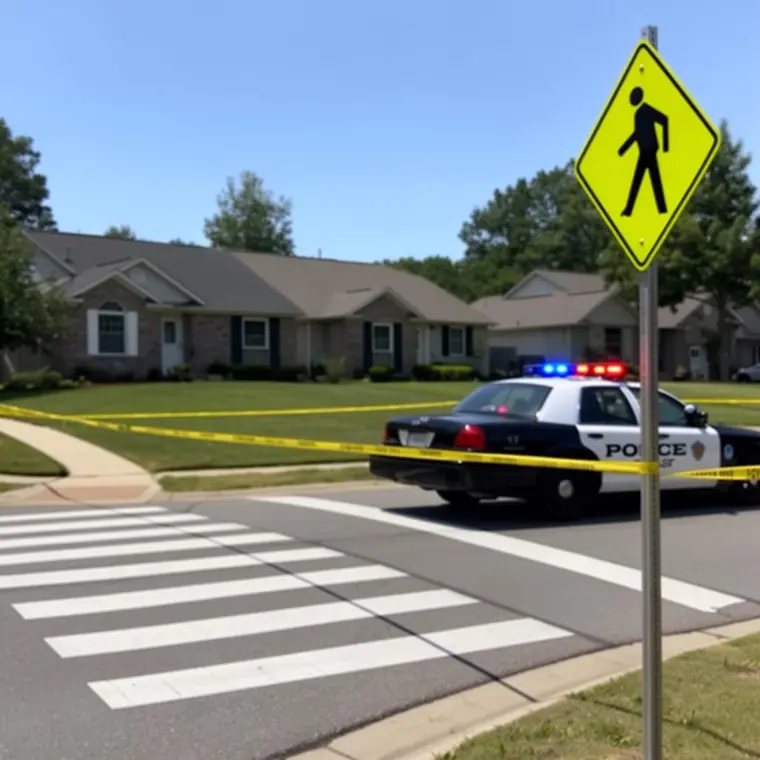
The downtown collision was the 13th traffic-related death in El Paso this year
Maria Patrocinio Longoria, 74, of El Paso, died after being struck by a vehicle in Downtown El Paso on Easter April 5, police said. The collision happened at approximately 8:15 a.m. at the corner of Texas Avenue and Kansas Street.
Investigators with the Special Traffic Investigations Unit reported that Roberto Rodriguez, 86, also of El Paso, was driving a 2011 Volvo S40. He was making a turn from Texas Avenue onto Kansas Street when he hit Longoria, who was in a crosswalk. She died at the scene.
Failure to yield to a pedestrian was a factor in the collision, investigators noted. The investigation continues. The downtown pedestrian collision was the 13th traffic-related death in El Paso this year, compared with 19 at the same time in 2025.
What factors contribute to pedestrian collisions at intersections?
How are liability and negligence determined in cases like this?
What legal options are available for families after a pedestrian death?
Texas wrongful death statute
Under Texas Civil Practice and Remedies Code § 71.001, certain surviving family members may pursue a wrongful death claim following a fatal accident. This statute allows for compensation for losses incurred due to the death of a loved one caused by another party's negligence or wrongful act. Texas law also incorporates a modified comparative fault system, meaning a claimant's ability to recover damages may be limited or barred if they are found to be 51% or more at fault for the crash.
Damages that could be sought in a Texas wrongful death action may include financial support the deceased would have provided, loss of companionship and consortium, funeral and burial expenses, and mental anguish experienced by the surviving family members. Bond noted that wrongful death claims in pedestrian accidents often involve a detailed review of urban planning documents to determine if the crossing area met safety standards, which can be a key factor in establishing liability.
Statute of limitations under Texas law
In Texas, a wrongful death claim generally must be filed within two years from the date of the deceased's death. This period is known as the statute of limitations. Failure to file a claim within this two-year window typically results in the claim being barred from court. There are limited exceptions that could extend this period, but they are rare.