Richard Soto Jr. Injured in Robstown Pedestrian Accident
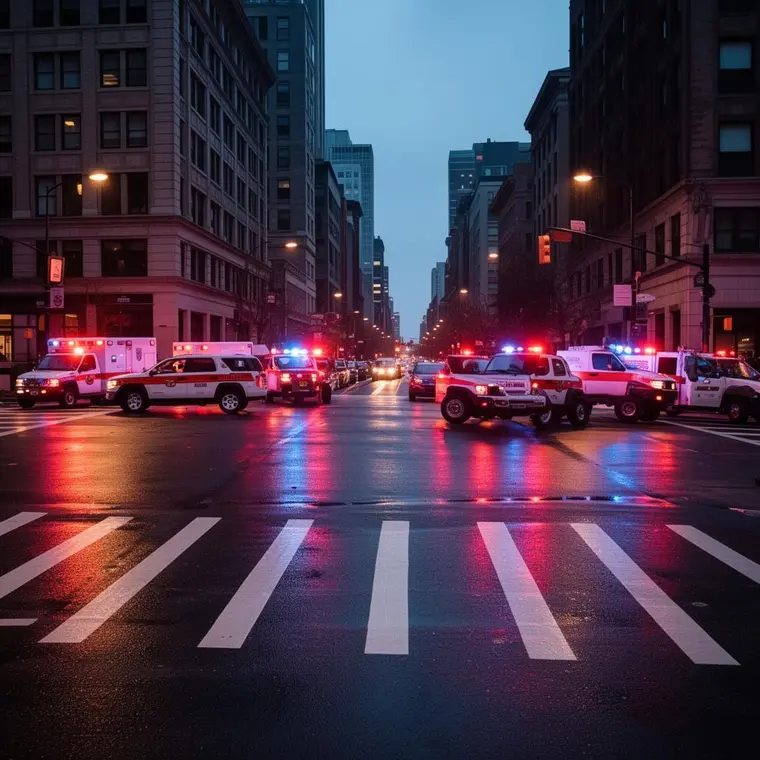
Police say no charges expected as investigation finds pedestrian at fault
Richard Soto Jr. was identified and died days after being struck in a pedestrian crash in Robstown, Texas, on March 30, according to police. He remained on life support for several days, passing away that Friday afternoon.
Robstown Police Chief Mike Tamez stated that investigators do not anticipate filing charges against the driver involved. Evidence gathered at the scene indicates that Soto Jr. was at fault in the collision.
No other details regarding the crash have been released by authorities.
Police are investigating the accident that injured Richard Soto Jr. in Robstown. When a pedestrian is hit by a vehicle, investigators typically look at driver attention, vehicle speed, and road conditions. National Legal Analyst Candice Bond, Managing Partner at Bond Legal. "Having the proper resources is extremely important to investigate a hit-and-run accident case and prove negligence. Road conditions, signage visibility, and road lighting are all possible contributing factors that must be fully considered. These procedures are necessary for helping someone who has been injured by a hit-and-run driver receive the justice and monetary compensation that they deserve."
Police reports often contain initial assessments of fault based on early evidence. However, a legal team's investigation can provide a more complete picture.
What happens after a pedestrian collision in Robstown?
After a pedestrian collision like the one that injured Richard Soto Jr., a full investigation usually involves examining physical evidence at the scene, reviewing any available surveillance footage, and interviewing witnesses. Crash reconstructionists may also analyze vehicle damage and the pedestrian's path. These findings help determine the sequence of events and identify any causes.
What are the next steps for Richard Soto Jr. after this accident?
Injured pedestrians or their families may consider legal options. While police focus on criminal aspects, a personal injury attorney can pursue a civil claim for damages. This includes gathering medical records, calculating lost wages, and assessing pain and suffering. Stefano Formica, an attorney at Bond Legal, stated that "Even when initial reports suggest pedestrian fault, a detailed legal investigation can often uncover contributing negligence by a driver, such as distraction or excessive speed."
Richard Soto Jr. is among the many pedestrians injured in motor vehicle crashes each year. The National Highway Traffic Safety Administration (NHTSA) reported that about 150,000 pedestrians were injured in such crashes in 2018.
Texas comparative fault framework
Texas operates under a modified comparative fault system, often referred to as the "51% bar" rule. This legal framework allows an injured party to recover damages as long as their share of fault for an accident does not exceed 50%. If a pedestrian is found to be 51% or more at fault, they are barred from recovering any damages. If their fault is less than 51%, their recoverable damages are reduced proportionally to their percentage of fault.
Bond noted that "understanding the nuances of comparative fault is important in pedestrian accident cases, especially when initial reports indicate a pedestrian may bear some degree of responsibility."
Statute of limitations under Texas law
Under Texas Civil Practice and Remedies Code Title 2, Chapter 16, Section 16.003, a personal injury claim, including those arising from pedestrian accidents, generally has a two-year statute of limitations. This means that an injured party typically has two years from the date of the injury to file a lawsuit. Failure to file within this period can result in the forfeiture of the right to pursue compensation through the courts.
Damages in Texas personal injury cases
Texas law allows injured parties in pedestrian accidents to seek various categories of damages. These typically include economic damages, which cover quantifiable financial losses such as medical expenses, lost wages, and property damage. Non-economic damages may also be sought for subjective losses like pain and suffering, mental anguish, and loss of enjoyment of life. In certain circumstances, if gross negligence is proven, punitive damages may also be awarded to punish the at-fault party and deter similar conduct.