31-Year-Old Woman Killed in Willows Car Accident on Count...
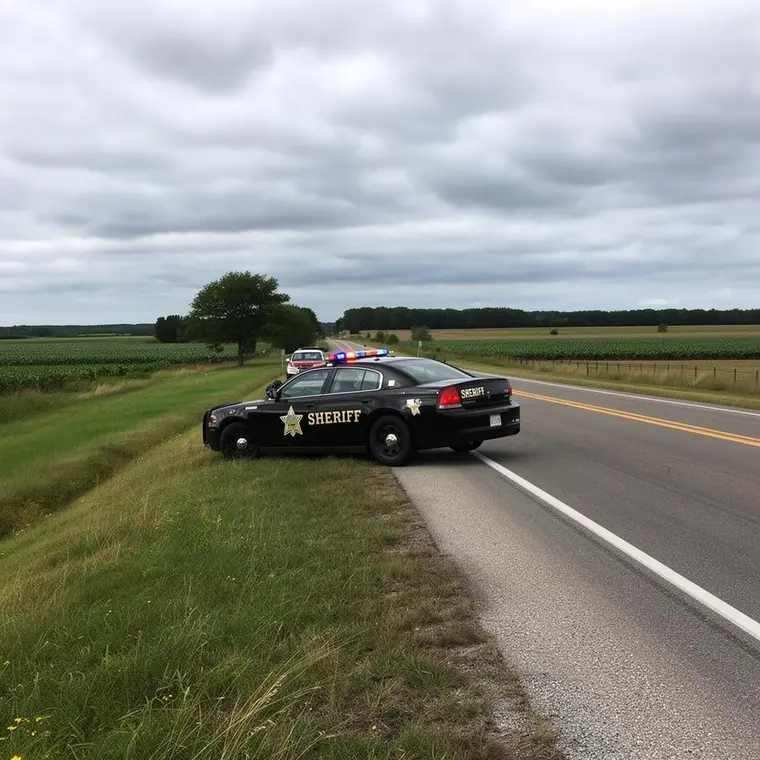
Orland woman dies after a rear-end collision in Glenn County
A 53-year-old Orland woman died March 20, after a car crashed into a utility vehicle on County Road 20 in Willows, California, the Highway Patrol said.
A 2000 Toyota sedan, driven by a 19-year-old Orland woman, was driving eastbound when it rear-ended a 2014 Kawasaki utility vehicle, according to the CHP. The Toyota was moving at about 45 mph.
The crash ejected the woman from the Kawasaki onto the road. Paramedics said she died at the scene.
The driver of the Toyota stayed at the scene and attempted CPR on the woman, the CHP said. The crash happened around 7:23 a.m.
The crash remains under investigation. Investigators are working to determine why the Toyota hit the utility vehicle, the CHP said.
The California Highway Patrol (CHP) office in Willows is leading the investigation into the fatal collision of the 53-year-old woman. Officers noted that the crash took place at approximately 7:23 a.m., just after sunrise, when visibility conditions are often in transition. While Gunther remained at the scene and was cooperative with arriving officers, the specific reason the Toyota struck the UTV remains a central focus of the probe. No road closures were long-term, and authorities have confirmed that neither drugs nor alcohol are suspected to be contributing factors in this incident.
National Legal Analyst Candice Bond, Managing Partner at Bond Legal, noted that "Time is of the essence in cases such as this, and the family of the victim must ensure that evidence is reviewed efficiently,"
California wrongful death statute
Under California's wrongful death statute (Code of Civil Procedure § 377.60), the surviving family members of a victim whose life was taken by the negligence of another party may pursue a civil claim for damages. This legal framework allows for the recovery of both economic and non-economic losses, including funeral expenses, the loss of financial support the decedent would have provided, and the loss of companionship and guidance.
California follows a pure comparative negligence system, meaning that even if a victim is found partially responsible for an incident, their family may still recover damages, though the total award is reduced by their percentage of fault. Claims must generally be filed within two years of the date of death to comply with the state's statute of limitations. This period is critical for preserving evidence, such as event data recorder information and witness statements, that can establish liability.