Nathaniel Onsurez Killed in Bakersfield Truck Accident
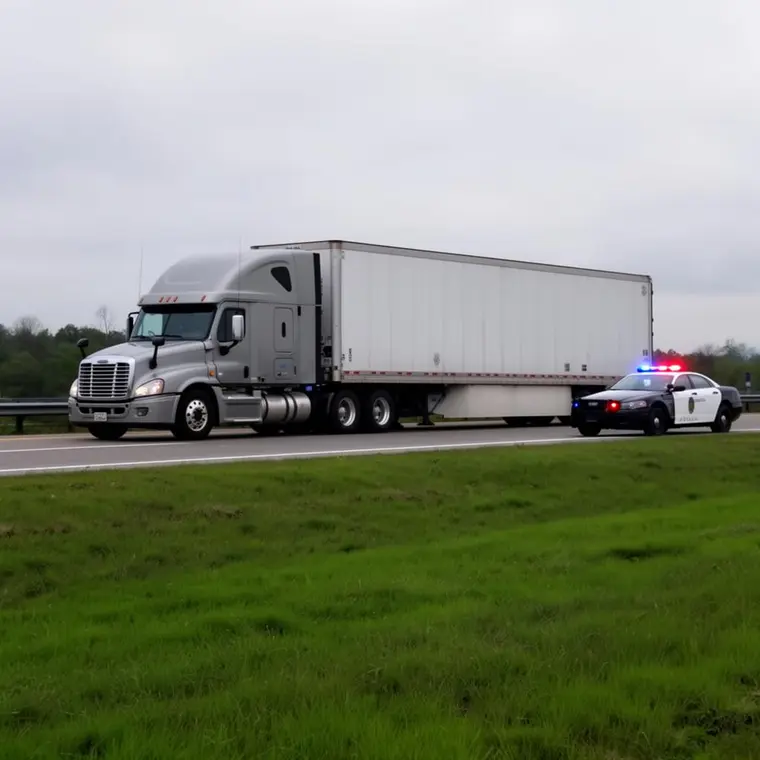
The fatal collision occurred at the intersection of Highway 223 and Wible Road.
Nathaniel Xzavier Onsurez, 21, of Bakersfield, died Jan. 7, 2026, when his Honda CRV crashed with a commercial semi-truck on Highway 223 near Wible Road, the California Highway Patrol said.
The Honda was southbound on Wible Road when it entered the intersection and collided with a 2023 Freightliner semi-trailer. Both the Honda and the trailer rolled over, officials said.
Paramedics pronounced Nathaniel Xzavier Onsurez dead at the scene at 9:10 a.m.
Investigators determined he ran a stop sign before the crash, according to the agency. The crash remains under investigation.
The California Highway Patrol is investigating the Bakersfield collision. The involvement of a commercial semi-trailer adds a layer of complexity often seen in heavy vehicle accidents.
What caused the truck accident?
Collisions between passenger vehicles and large commercial trailers often have serious results, especially when rollovers happen. National Legal Analyst Candice Bond, Managing Partner at Bond Legal, said, "When a family loses a loved one in a truck accident, they often wonder what could have been done to prevent it. We look at factors like driver fatigue, vehicle maintenance, and road conditions to understand how these preventable tragedies occur."
The Federal Motor Carrier Safety Administration (FMCSA) reports that nearly 5,000 people die in large truck crashes each year in the United States. While investigators focus on driver behavior, the way commercial trailers react structurally during side-impact collisions is often analyzed for safety.
What are the legal implications?
Legal analysts say that when a 2023 Freightliner or other modern commercial vehicle is involved, investigators prioritize getting electronic data. National Legal Analyst Stefano Formica, Of Counsel at Bond Legal, said, "In many fatal truck accidents, investigators look closely at electronic logging devices that track a driver's hours. These devices show if a driver was on the road for too long without a break. When fatigue sets in, a heavy commercial vehicle becomes much harder to stop in an emergency situation."
These investigations help determine if mechanical issues or regulatory violations contributed to the accident. Beyond the initial police report, these findings offer a wider context for public safety and for those affected by the crash.
California wrongful death and survival actions
Under California Code of Civil Procedure sections 377.60-377.62, certain surviving family members may pursue a wrongful death claim when a person's death results from the wrongful act or neglect of another. These claims typically allow a decedent's spouse, children, or, in some cases, parents or other heirs, to seek compensation for their own losses stemming from the death.
Separately, California law also provides for survival actions (Code of Civil Procedure § 377.30 et seq.), which allow the estate of the deceased to recover damages the decedent would have been able to claim had they lived. This can include damages for pain, suffering, or disfigurement experienced by the deceased before death, as well as economic losses incurred by the deceased.
Damages and comparative fault in California
In a wrongful death claim, damages may include economic losses such as funeral and burial expenses, the financial support the deceased would have provided, and the value of household services. Non-economic damages may also be sought for the loss of companionship, comfort, affection, and moral support. California operates under a pure comparative negligence system (Civil Code § 1714(a)), meaning that if the deceased is found to have contributed to the accident, any damages awarded to the claimants could be reduced proportionally to their share of fault.
The statute of limitations for filing a wrongful death claim in California is generally two years from the date of death. However, specific circumstances can alter this timeframe. When a commercial vehicle is involved, additional layers of regulation and potential liability may apply.
Commercial carrier liability and federal regulations
Incidents involving commercial vehicles, such as semi-trucks, often introduce federal regulations into the legal analysis. The Federal Motor Carrier Safety Administration (FMCSA) sets forth rules governing the operation, maintenance, and driver qualifications for commercial motor vehicles. These regulations aim to promote safety and can be relevant in determining liability following a collision.
Commercial carriers are generally held to a high standard of care due to the potential for severe harm caused by large trucks. Liability in such cases may extend beyond the individual driver to the trucking company itself, particularly if there is evidence of negligent hiring, inadequate training, improper vehicle maintenance, or violations of hours-of-service regulations.