Curtis Smith Killed in Bridgeport Pedestrian Accident
Pedestrian deaths remain a critical safety concern in Fairfield County transit data
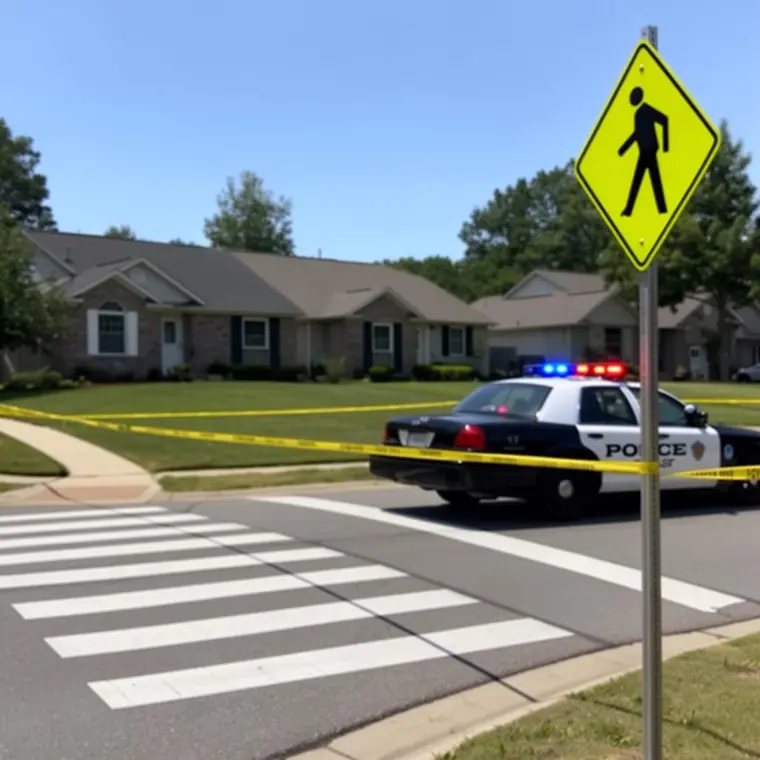
Curtis Smith, 70, of Bridgeport, died Saturday after a driver hit him with an SUV on Capitol Avenue near Parrott Avenue, police said. City spokesperson Shawnna White stated that Smith died early Sunday from the injuries he sustained. A 62-year-old New York driver hit Smith with a 2012 Lexus SUV, according to police. The driver was driving through the intersection around 7:30 p.m. Smith was found lying in the roadway and taken to the hospital in critical but stable condition. The incident remains under investigation.
The Bridgeport Police Department Traffic Division is spearheading the ongoing investigation into the fatal collision. According to city spokesperson Shawnna White, the operator of the Lexus remained at the scene following the impact and has been fully cooperative with officers. The Traffic Division has not yet announced any criminal charges or citations in connection with the incident, and they are encouraging anyone who witnessed the event near the intersection of Capitol and Parrott Avenues to contact investigators at 203-576-7640.
National Legal Analyst Andrew G. Andrew Finkelstein, Attorney at Jacoby & Meyers, noted that "As a pedestrian accident victim, you will most likely face an insurance company expert who will attempt to place partial or full blame on you. The situation becomes even more tragic when the pedestrian is killed and it’s the loved ones that are told that person was at fault. The insurance companies are doing this to reduce payouts and increase their profits, and they are very good at what they do." "You should never give a statement directly to the insurance company. The best course of action is to hire an experienced pedestrian accident attorney large enough to take on the insurance company and speak up for you as a victim or for your loved one who cannot,"
Connecticut wrongful death statute
Under Connecticut General Statutes § 52-555, the executor or administrator of a deceased person's estate may bring a civil action to recover damages when a death is caused by a person's negligent or wrongful act. This legal framework allows for the pursuit of compensation related to medical and funeral expenses, as well as the 'destruction of the capacity to enjoy life's activities,' a unique element of Connecticut's wrongful death law. When a pedestrian is killed in a crash, the law focuses heavily on 'right-of-way' rules and whether the person was inside a crosswalk. However, even if someone was outside a crosswalk, drivers have a 'duty of care' to be observant and avoid hitting people on foot whenever possible.
Connecticut follows a modified comparative negligence rule, meaning that as long as the victim is not more than 50 percent at fault for the incident, the estate may still recover damages, though the total award would be reduced by their percentage of responsibility. Families typically have two years from the date of the person's death to file a claim, provided it is no more than three years from the date of the act that caused the injury. Damages in these cases are intended to address both the economic losses to the estate and the non-economic loss of the individual's life.